
World-Class Aerospace Manufacturing
Consistency.
Reliability.
Aurora manufactures components, sub-assemblies, and airframes using the latest technologies in composite materials and robotic manufacturing. Our commitment to quality is represented by our AS9100/ISO9001 certifications and Nadcap accreditation.

Fuselages
Engine Nacelles
Control Surfaces
Wings and Lifting Surfaces
Fairings, Pylons and Radomes

Doors and Reinforced Structures
Heat Shields
Rocket Booster Structures
Space Valves
Markets we serve
Trust Aurora for your custom aerospace parts and assemblies for commercial, military and space programs.
Defense
For over 30 years, Aurora has been delivering aerostructures such as fuselages, nacelles, tails, doors and more for military helicopters and unmanned aircraft.
Space
Aurora delivers critical components for spacecraft, including high-performance composite parts and pressure relief valves that withstand the extreme conditions of space.
Commercial
Aurora manufactures large composite parts including frames, fuselage skins, and tails for today’s business jets and tomorrow’s urban air mobility vehicles.
Manufacturing Technology
Aurora uses the latest technologies in composite materials and robotic manufacturing in AS9100 third party certified facilities.
- Robotic part machining, transport, and dimensional inspection
- Automated Fiber Placement (AFP) of carbon, pitch and Boron fiber
- Autoclave and non-autoclave curing
- Ultrasonic non-destructive inspection
- CNC 5-axis machining of composites and super alloy metals
Customer Highlight
Aurora Flight Sciences manufactures the exterior surface for the U.S. Navy’s MQ-25A Stingray™, an unmanned aerial refueler. The components are lightweight, high-strength composite skins designed to withstand the harsh, corrosive conditions of carrier-based operations. Aurora delivers fuselage parts and skins, door assemblies, wing parts, airframe parts, and the aircraft’s complete tail assembly.
Locations
West Virginia
Manufacturing facility equipped with robotic manufacturing, non-destructive inspection, multiple autoclaves, and machining capabilities for advanced aerosystems.
Mississippi
Manufacturing facility specializing in advanced composite parts with technologies including automated fiber placement, robotic countersinking, and non-destructive inspection.
Virginia
Aircraft integration and test facility with prototyping capabilities in 3D printing, wiring harnesses, CNC machining, fabrication, and material testing.
Massachusetts
Spaceflight hardware facility with clean room for assembly to ISO class 5 standards and equipment for thermal, pressure and leak detection testing.
News
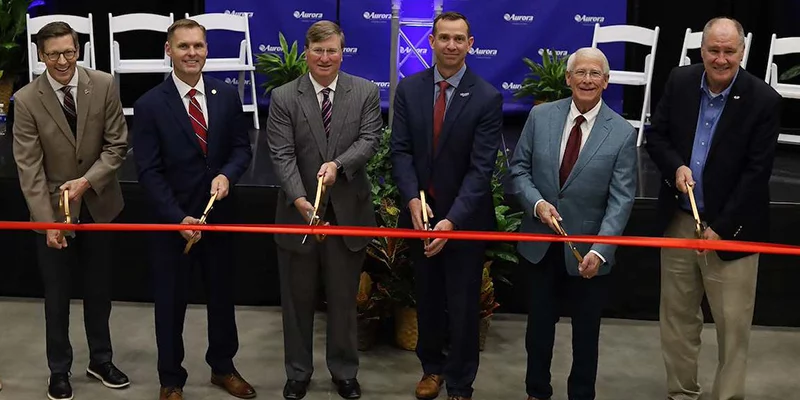
The expansion adds close to 50,000 square feet and upgraded facilities to support growing aerospace production.
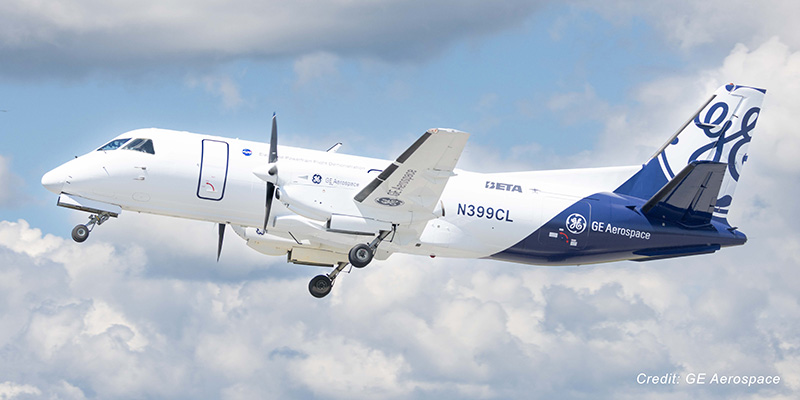
GE Aerospace’s hybrid-electric flight demonstrator took to the skies over the Farnborough International Airshow, with plenty of support from Aurora Flight Sciences.
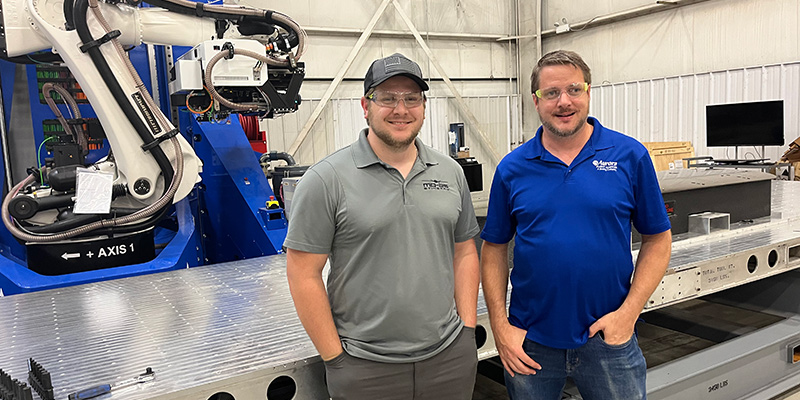
How families at Aurora’s Mississippi facility contribute to advanced programs while shaping the site’s collaborative culture.
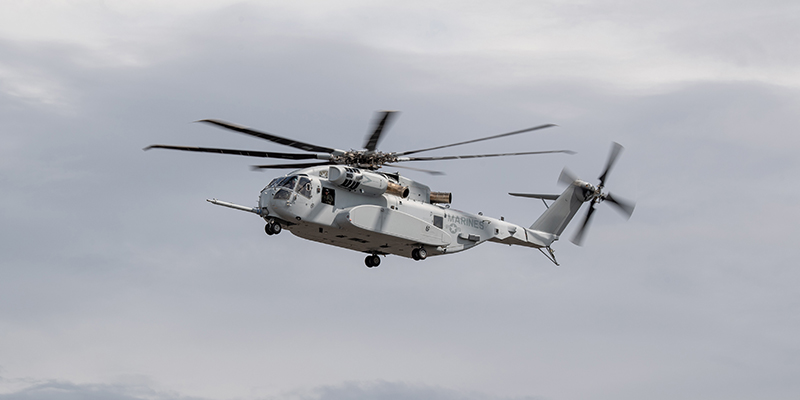
Aurora delivers precise, high performance structures that enhance the strength and reliability of the CH 53K aircraft.
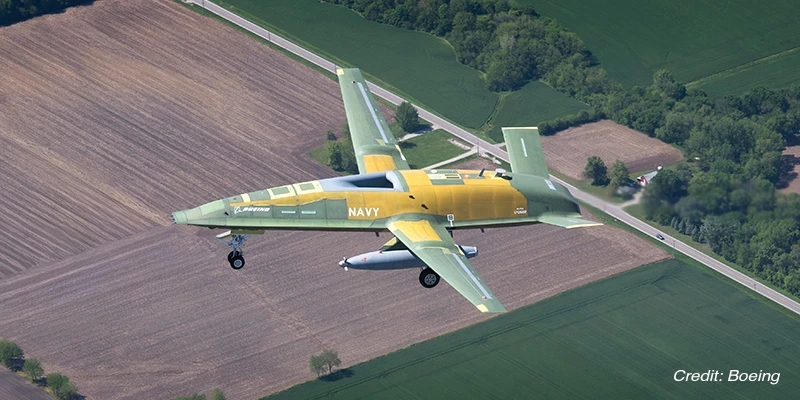
From manufacturing tough parts to developing smart software, Aurora Flight Sciences is proud to support the MQ-25A Stingray™.
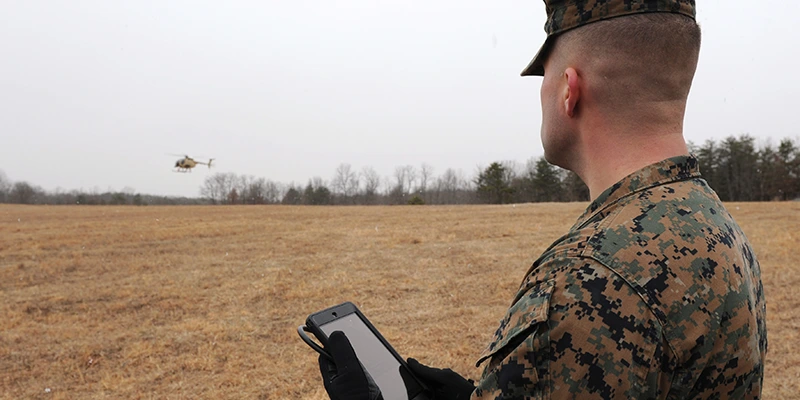
Decades of VTOL research, autonomous systems development, and integrated testing continue to support the maturation of next‑generation vertical‑flight technologies.
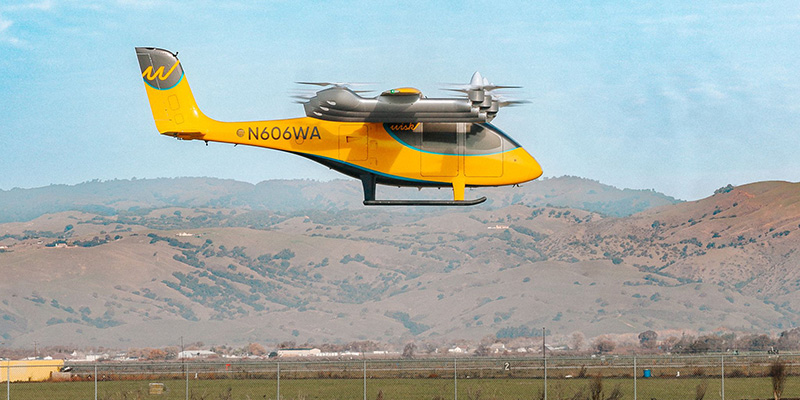
From batteries to GNC, Aurora’s engineering expertise helped make history with the first flight of Wisk’s self-flying electric aircraft.
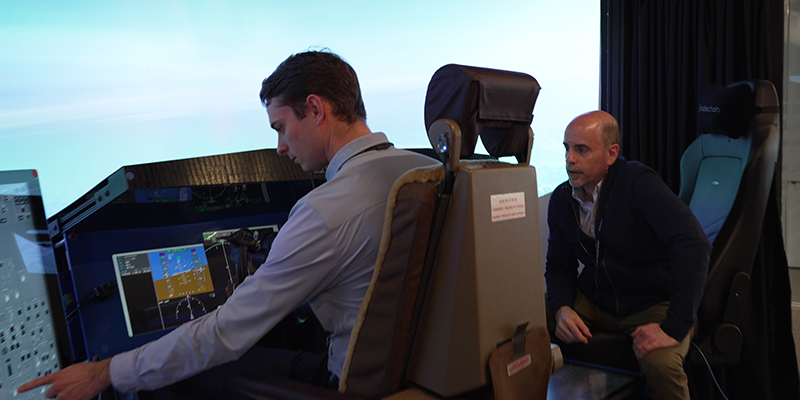
Using a flight simulator, Aurora engineers develop autonomous technologies to assist pilots and optimize safety.

The demo, using uncrewed boats, showed the technology improved safety when operating in challenging conditions.
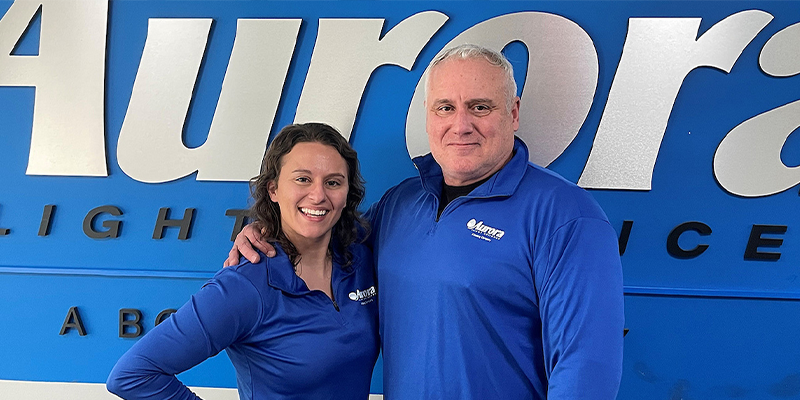
A hub for advanced composite manufacturing, the facility is a place where family ties strengthen collaboration and innovation.
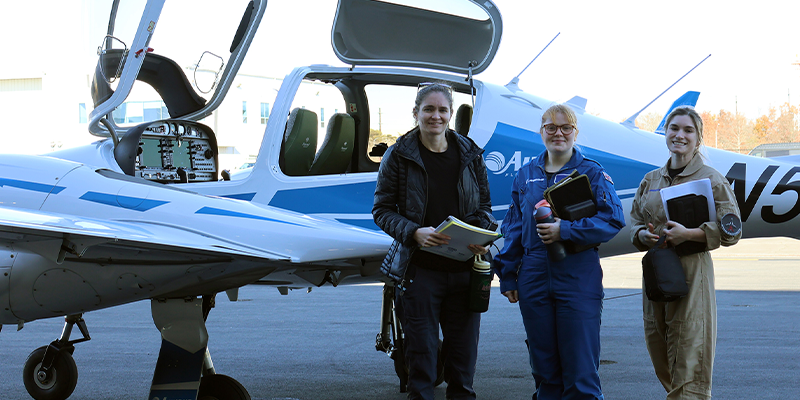
A Boeing program to develop tomorrow’s flight test conductors trains on an Aurora aircraft offering unique capabilities.
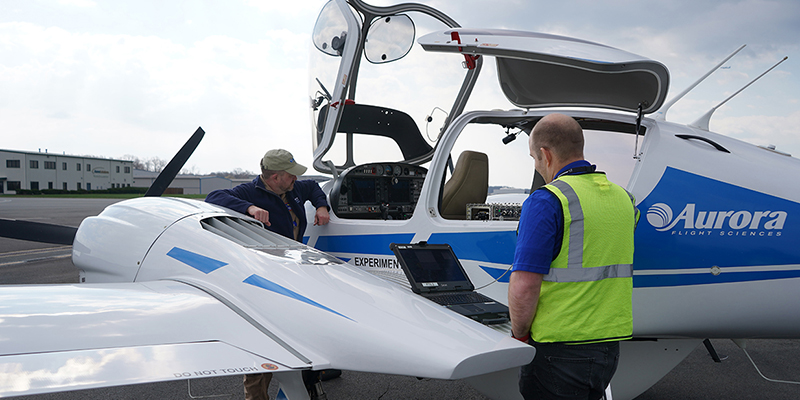
By combining advanced simulation, flight testing, and AI-enabled systems, Aurora is shaping how aircraft learn, adapt, and operate safely in shared airspace.

X-65 is designed to demonstrate active flow control, a technology that could transform the future of aircraft design.
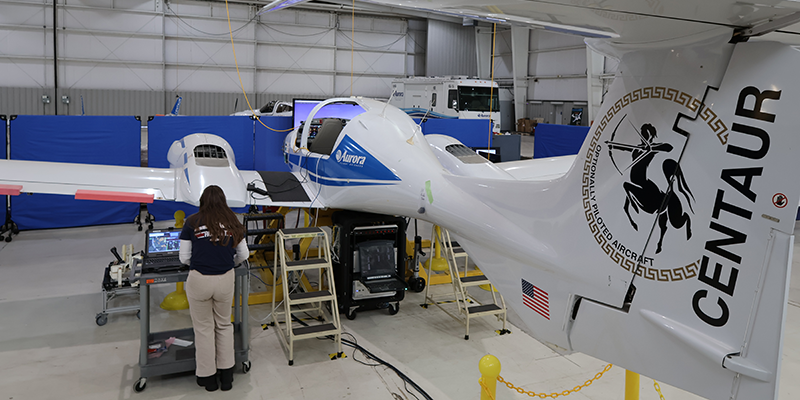
Testing of advanced autonomy functions progresses smoothly and safely from code to flight.
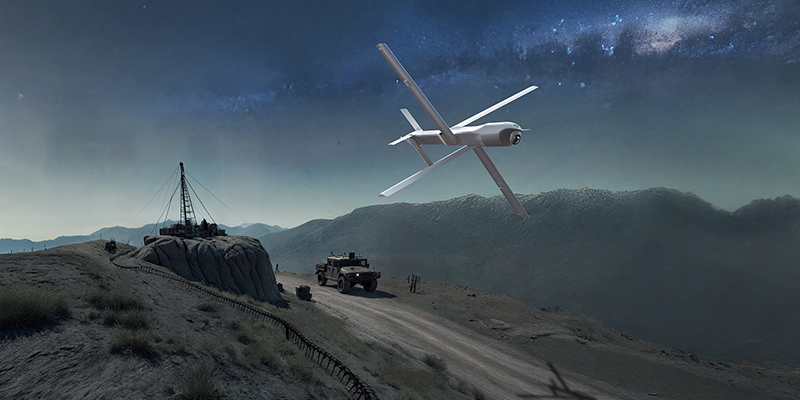
The collaboration establishes a fast path to fieldable launched effects that reliably support and extend the operations of manned platforms.

Aurora Flight Sciences is building a human-machine interface that dynamically adapts presented information to the user’s unique needs.
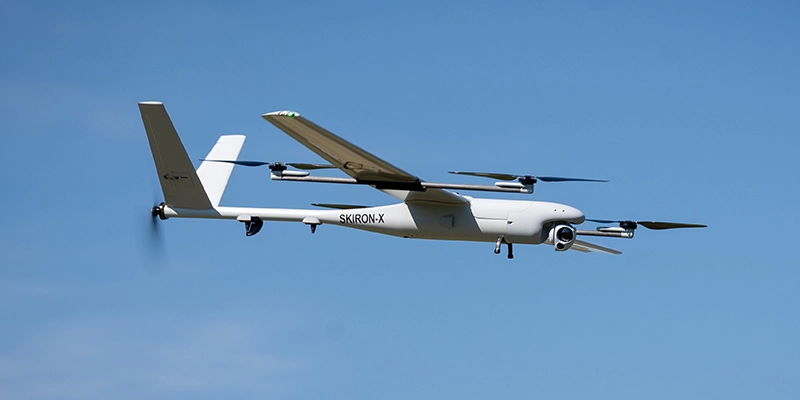
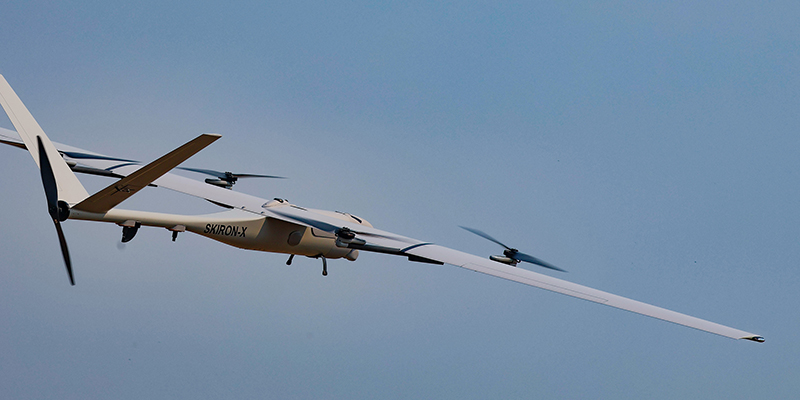
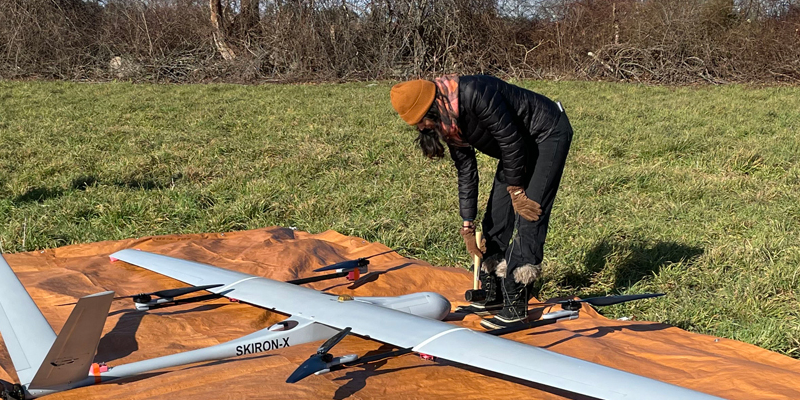
Researchers from the MSU Raspet Flight Research Laboratory are flying Aurora’s SKIRON-X drone as part of a project to help first responders.
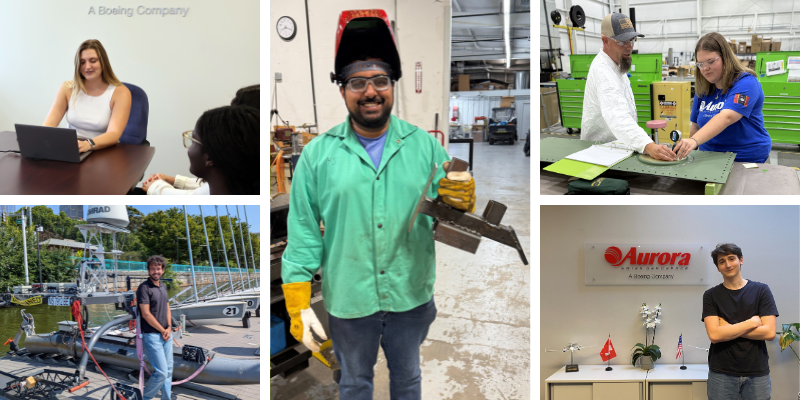
This summer, Aurora welcomed 29 interns across its U.S. and international sites, engaging the students in hands-on roles while contributing to real-world projects that advance the future of flight.
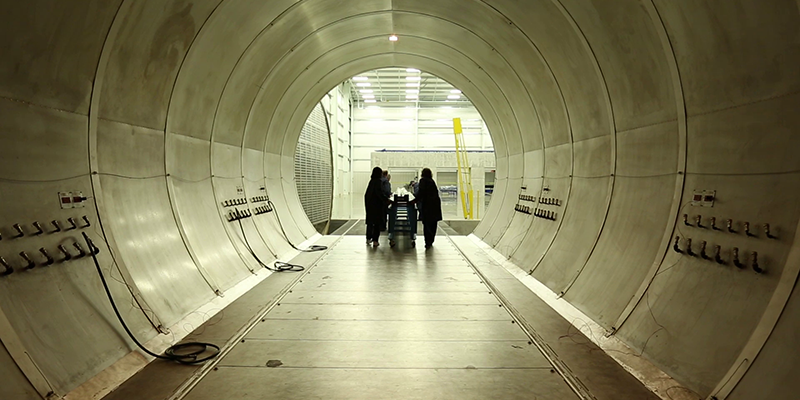
The 3D printing technology significantly drives down costs and lead times for low-volume composite part manufacturing in the aerospace industry.
‘Fly early and fly often’ is part of the culture at Aurora Flight Sciences, a Boeing company; it’s a motto that extends to autonomy development through a program called Accelerated Testing of Live Autonomy Software or ATLAS.
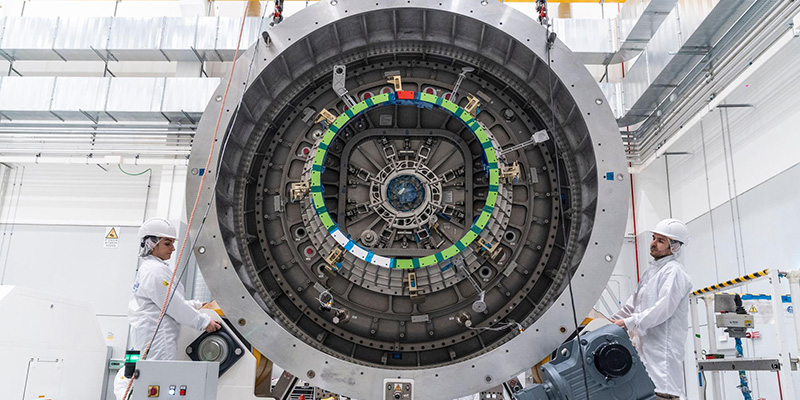
Under a subaward from Thales Alenia Space Italia, Aurora Flight Sciences, a Boeing Company, designed, built, and delivered next-generation Positive Pressure Relief Valves (PPRV) and Manual Pressure Equalization Valves (MPEV) for use on NASA’s Habitation and Logistics Outpost (HALO) module.

In an era of rapid technological advancement and stringent regulatory requirements, robust research and development initiatives are vital for driving innovation, enhancing safety, and ensuring the successful integration of new technologies into real-world applications.
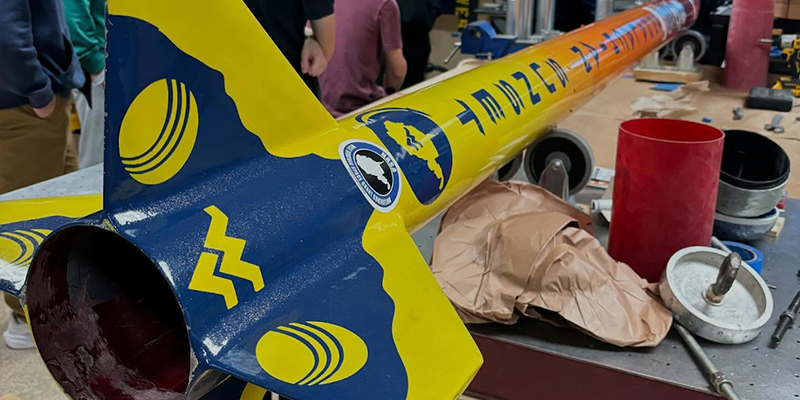
Aurora Flight Sciences’ West Virginia facility connects with students in the local community through learning experiences that inspire students to think big.
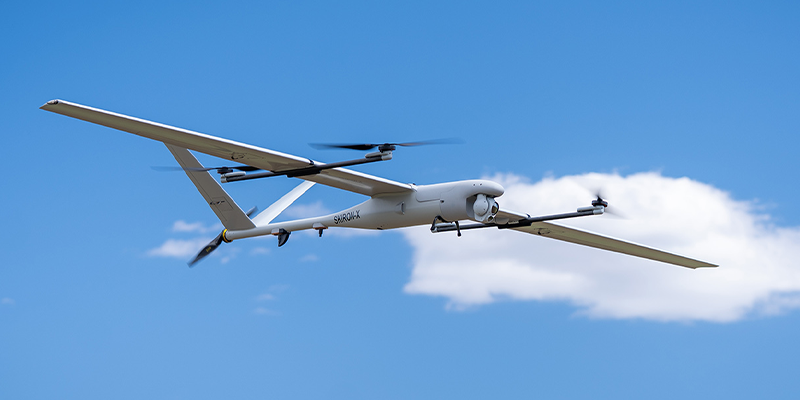
Aurora Flight Sciences’ small UAS lineup has been upgraded to maximize flight performance and ease-of-use.
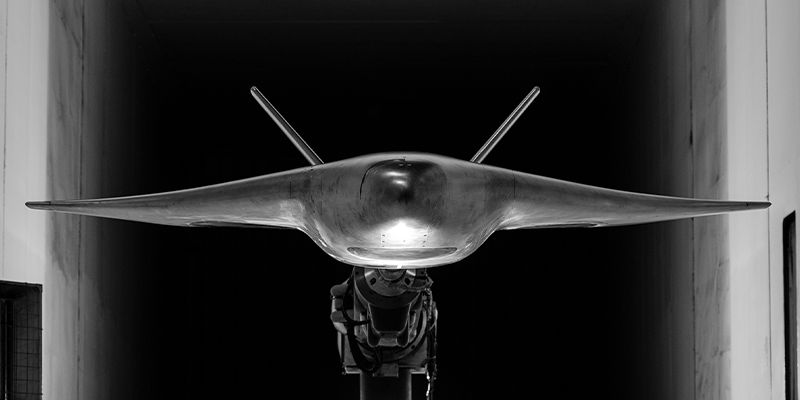
Aurora and Boeing are designing an X-plane that delivers revolutionary capabilities for runway independent air mobility.
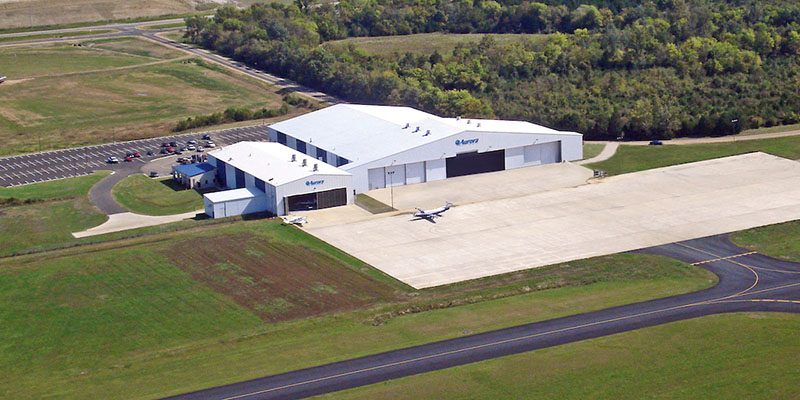
Over the past 20 years, Aurora Flight Sciences, a Boeing company, has steadily increased its presence in Mississippi, transforming from a small operation into a key player in advanced aerosystems manufacturing.
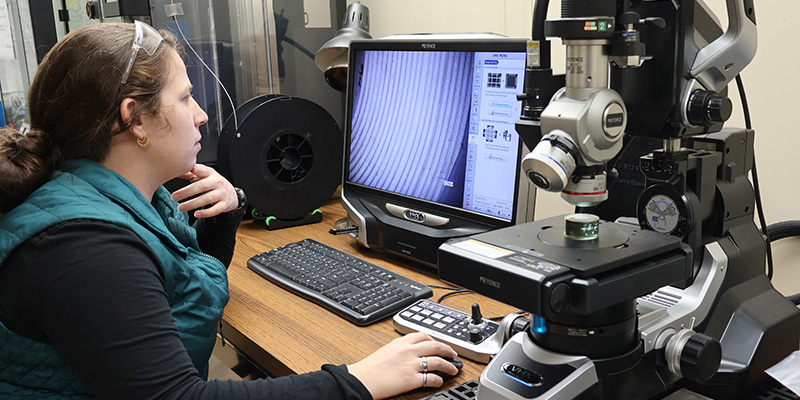
The selection of materials is one of several critical steps in the aircraft design process. Aurora’s Materials, Processes, and Testing (MP&T) engineering team does the work to define material requirements for a given design and then determine the optimal materials and process conditions for transforming those materials into aircraft components that exhibit the required properties.
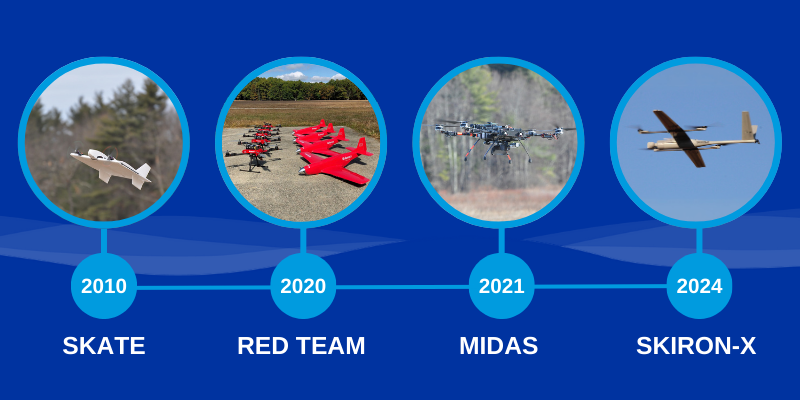
For well over a decade, Aurora Flight Sciences, a Boeing company, has been driving innovation in small unmanned aerial systems (sUAS), developing cutting-edge platforms that push the boundaries of endurance, autonomy, and adaptability.

This week we celebrate Engineers Week, or E-Week, which seeks to share the vision, values, and mission of the engineering profession and increase interest in engineering and technical careers.
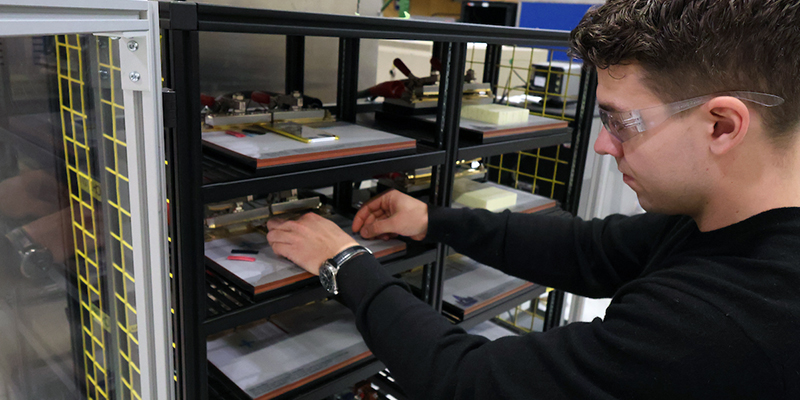
As the aerospace industry looks toward a greener, more sustainable future, energy solutions have become a critical area of innovation. At Aurora Flight Sciences, a Boeing company, teams in the company’s advanced energy lab play a pivotal role in developing the high-performance energy systems necessary for the next generation of aviation.
Aurora Flight Sciences, a Boeing company, is teaming up with SkyGrid to pave the way for the future of Advanced Air Mobility (AAM) by developing cutting-edge solutions for the integration and management of uncrewed aerial vehicles into the national airspace.
Aurora Flight Sciences, a Boeing company, has donated over $1 million worth of high-quality composite materials to Mississippi State University’s Advanced Composites Institute (MSU ACI).

This November, Aurora Flight Sciences, a Boeing company, is celebrating 30 years of manufacturing excellence in West Virginia.

Aurora Flight Sciences, a Boeing company, will perform a comprehensive, open aperture exploration of technologies and advanced aircraft concepts that have the potential to reduce aviation’s environmental impact and support the commercial aviation industry in its pursuit of net-zero greenhouse gas emissions.
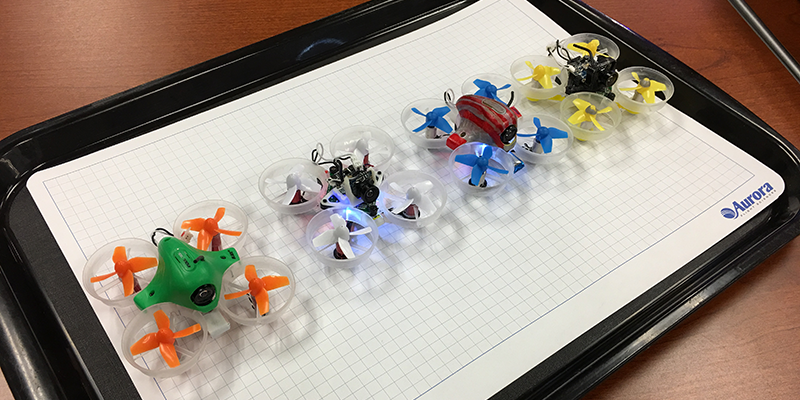
At Aurora Flight Sciences, a Boeing company, we are proud to support events and activities that inspire creativity and collaboration among our employees.
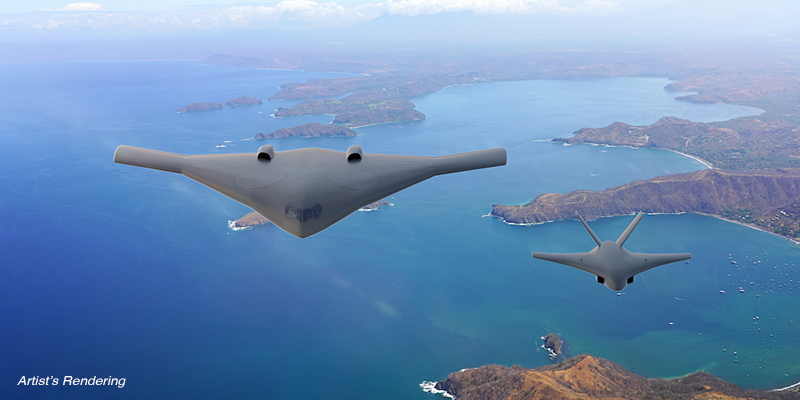
Fan-in-wing technology powers Aurora’s concept for unprecedented speed and stealth in a vertical lift platform.
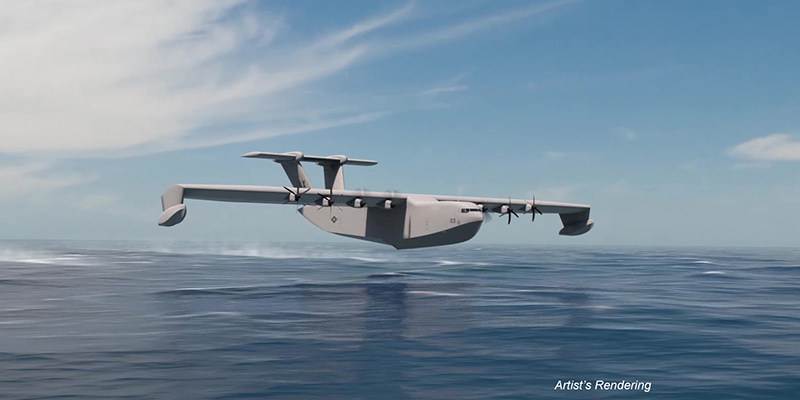
Aurora Flight Sciences’ revolutionary seaplane concept for DARPA uses wing-in-ground-effect flight to deliver new capabilities.
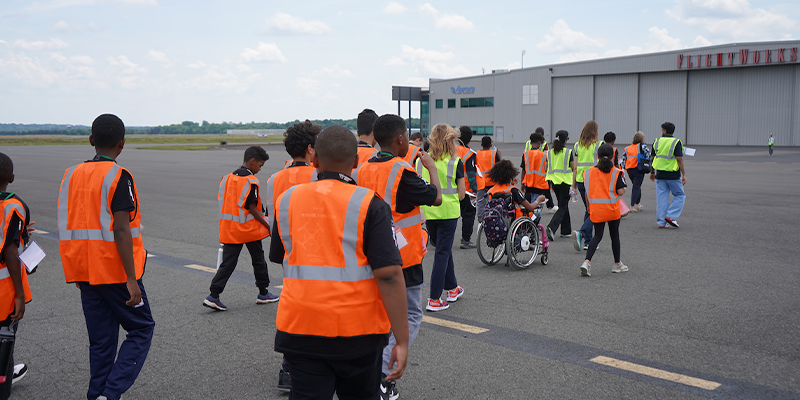
At Aurora Flight Sciences, a Boeing company, we help build the future of aerospace through more than just our aircraft and technologies.
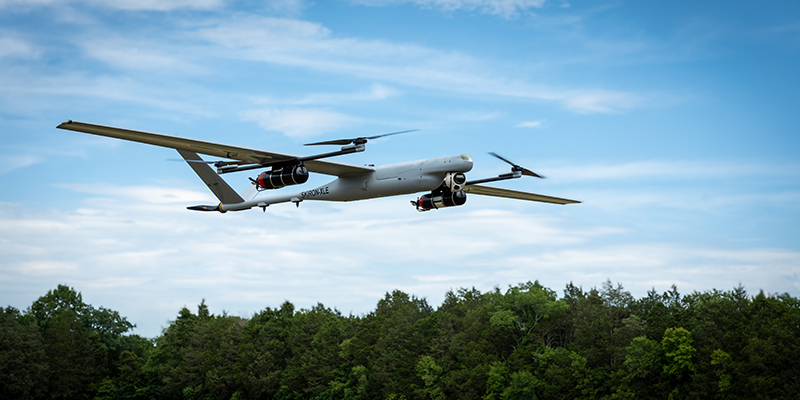
Aurora Flight Sciences’ small UAS is powered by a hydrogen fuel cell, extending flight times for long range reconnaissance.
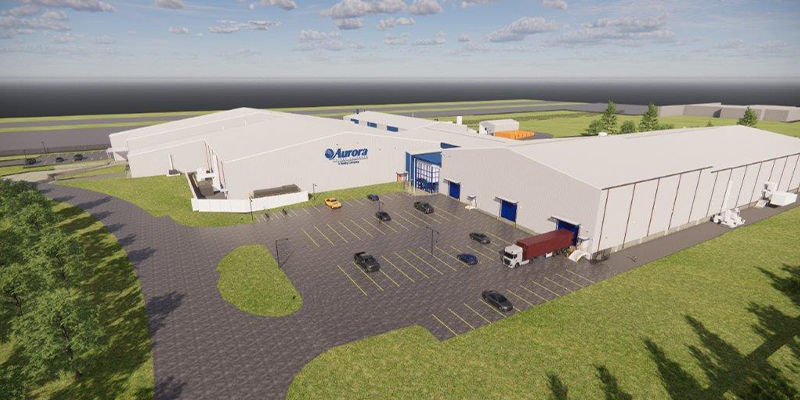
Aurora Flight Sciences, a Boeing company, kicked-off a significant expansion of its manufacturing facility near the Golden Triangle Regional Airport in Columbus, Mississippi.

Aurora Flight Sciences, a Boeing company, is committed to fostering the future of aerospace through our robust internship program, welcoming approximately 50 college students across our sites each year.
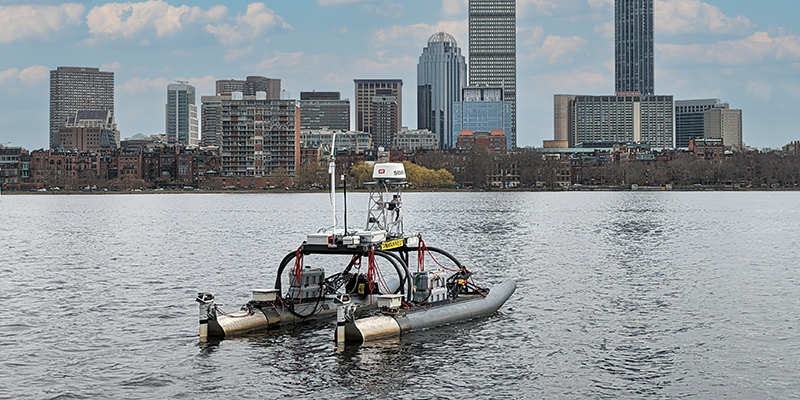
Aurora Flight Sciences, a Boeing company, is advancing its “Fast Adaptation and Learning for Control Online” (FALCON) control architecture for Phase 1 of DARPA’s Learning Introspective Control (LINC) program.
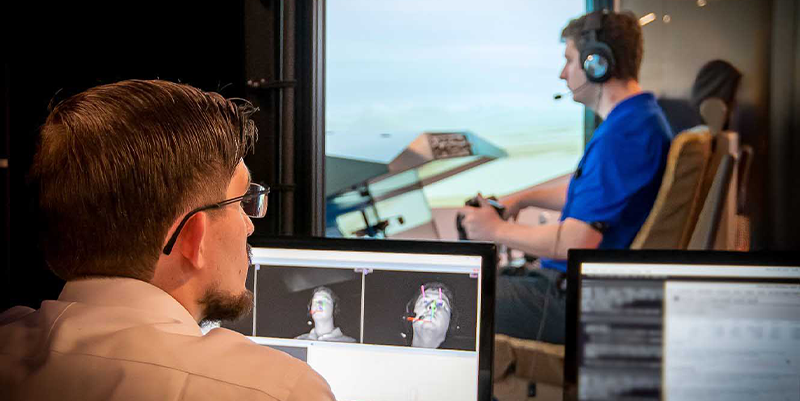
At Aurora Flight Sciences, a Boeing company, bridging the gap between humans and autonomy is a fundamental aspect of our work to advance the future of flight.
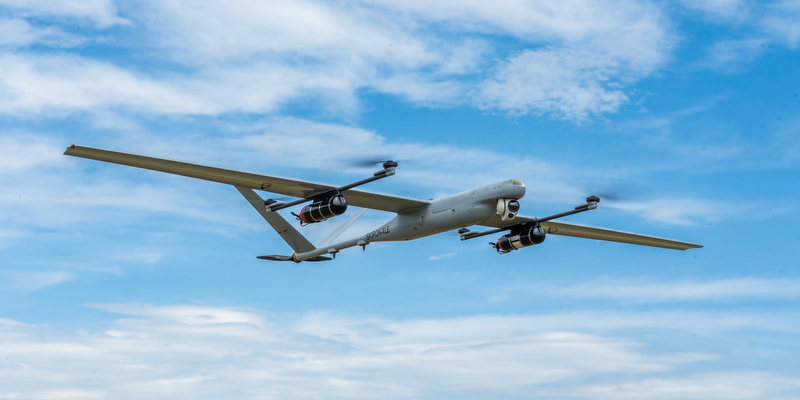
Recent flight tests provide a peek into the latest generation of Aurora’s Group 2 uncrewed aircraft system.
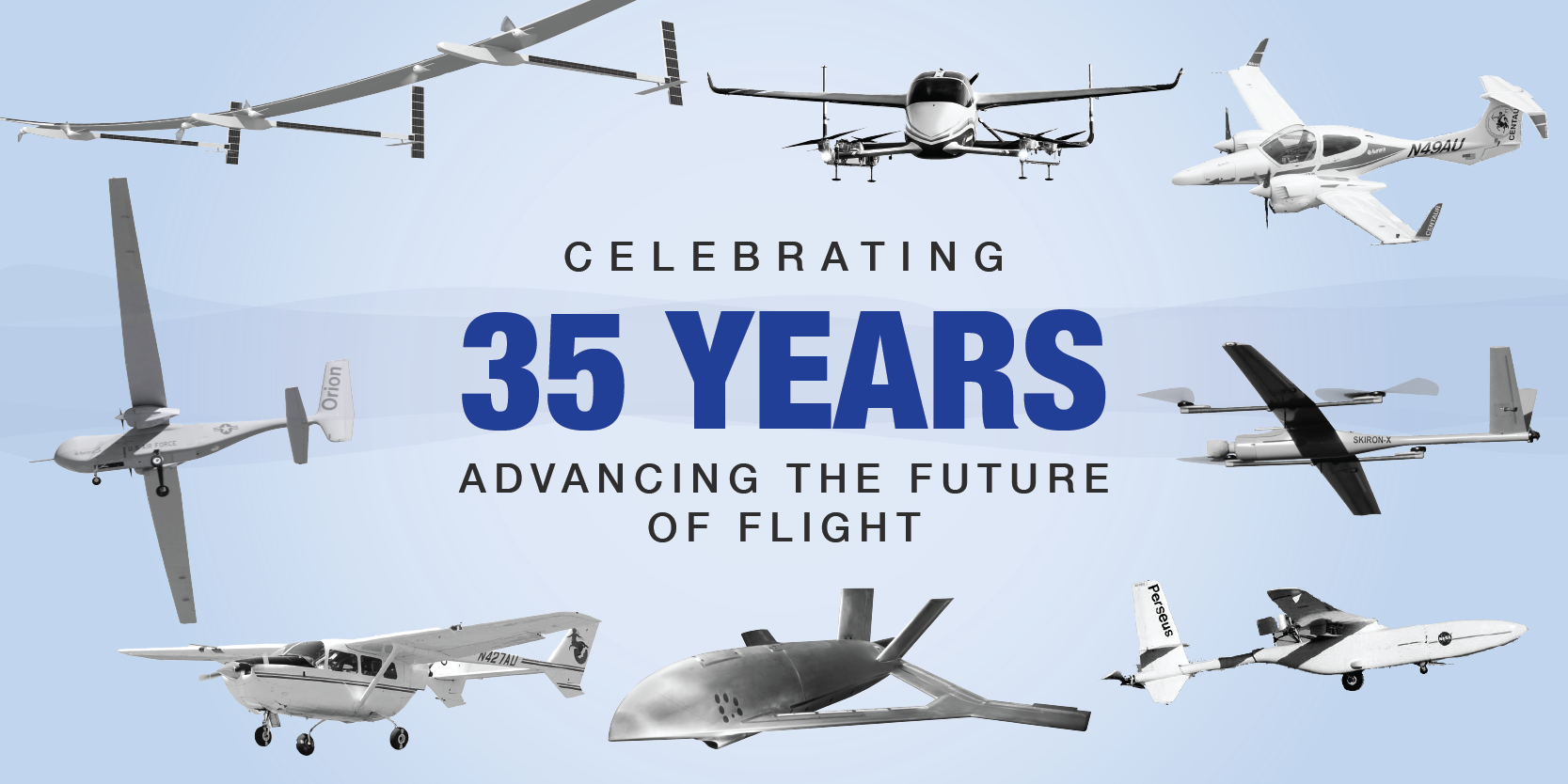
As we mark our 35th anniversary at Aurora Flight Sciences, a Boeing company, we reflect on the journey that brought us here.
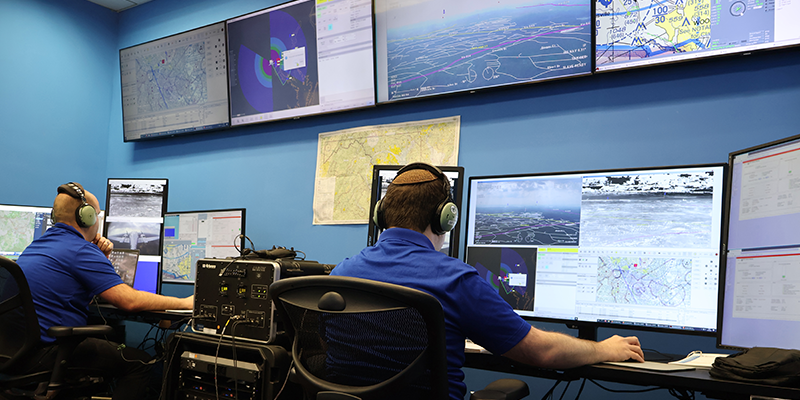
Recently, Aurora’s flight test team put our Centaur optionally piloted aircraft (OPA), equipped with an EO/IR camera, maritime surveillance radar, and Automatic Identification System payloads, through its paces.
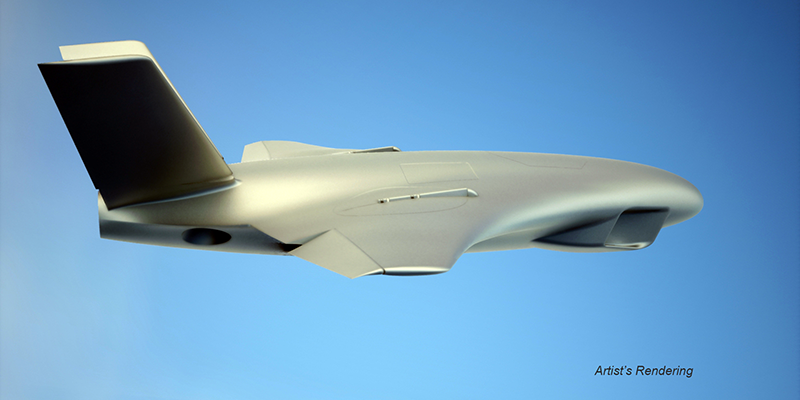
An Aurora and Boeing team advances its high-speed, vertical lift concept to the preliminary design phase.
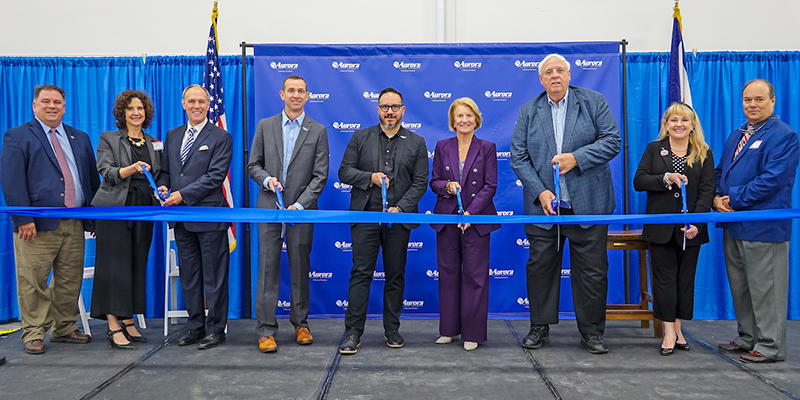
On Wednesday, April 24th, Aurora Flight Sciences, a Boeing company, celebrated the grand opening of an expansion of its advanced manufacturing facility in Bridgeport, West Virginia.
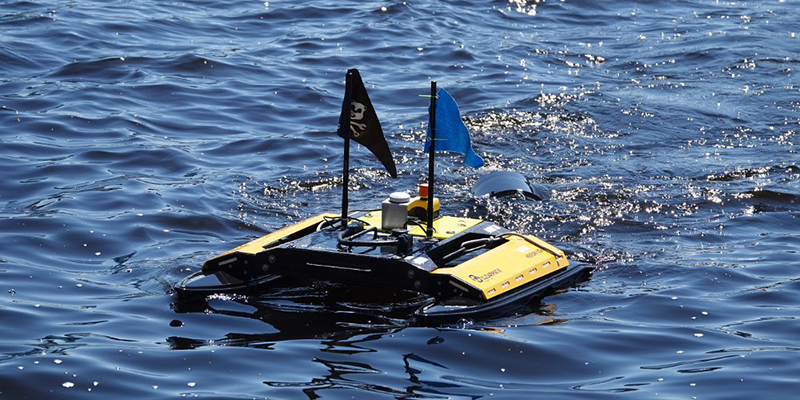
Aurora Flight Sciences, a Boeing company, has been putting its “Fast Adaptation and Learning for Control Online” (FALCON) control architecture to the test on the waters of the Charles River in Boston, Massachusetts.
A collaboration between professors at the Zurich University of Applied Sciences (ZHAW) School of Engineering and Aurora Swiss Aerospace, a Boeing company, is streamlining the development of EVTOL aircraft.
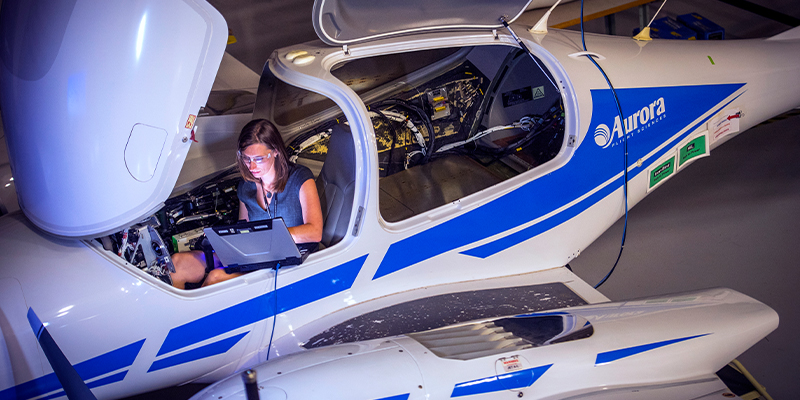
In celebration of Women’s History Month and International Women’s Day, we sat down with Aurora’s Chief Pilot Carrie Haase to learn more about her experience in the industry and advice she has for women in aerospace.

The federally funded program is part of an effort to advance the electrification of transportation sectors.
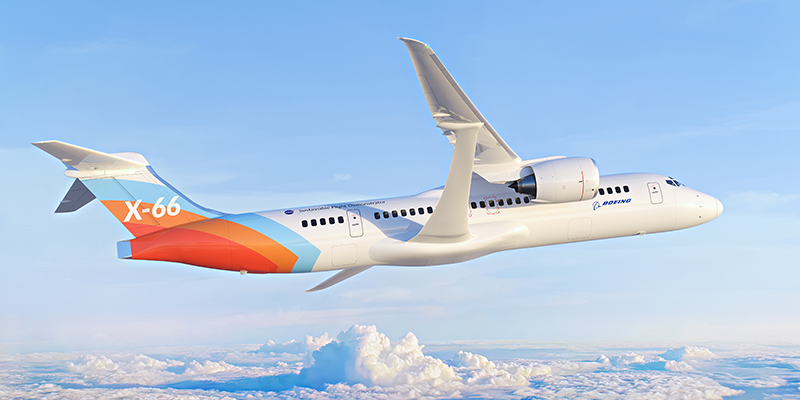
As the global aviation industry looks toward its goal to achieve net-zero carbon emissions by 2050, developing sustainable flight solutions has become a priority.
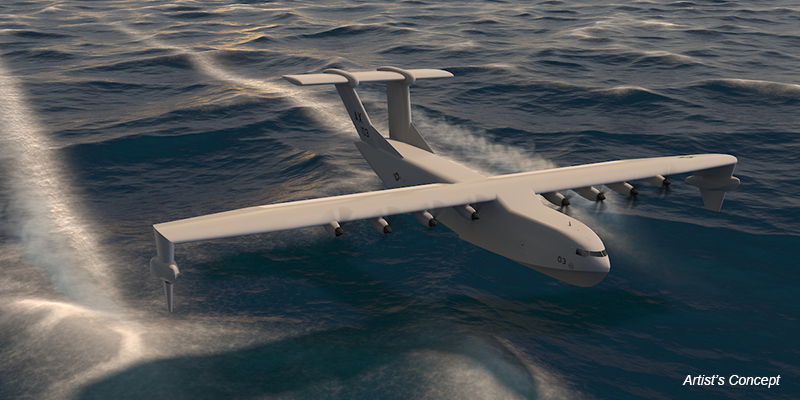
Aurora Flight Sciences, a Boeing company, is progressing through Phase 1B of the Liberty Lifter program, the Defense Advanced Research Projects Agency (DARPA) program that aims to design, build, float, and fly an affordable X-plane that demonstrates revolutionary heavy-air-lift capability from the sea.
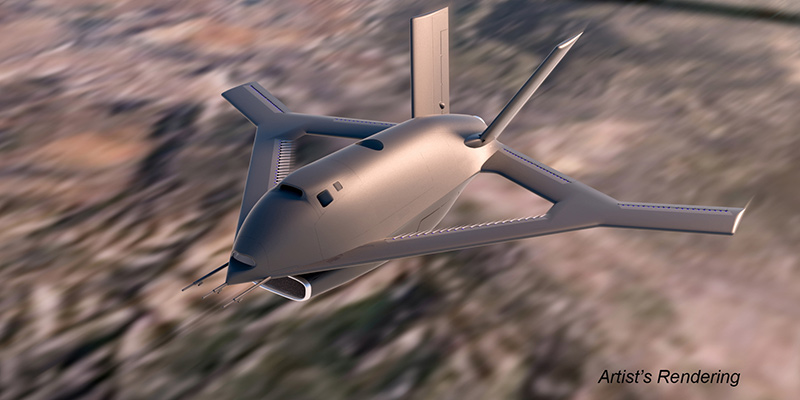
The X-plane, designated X-65, aims to demonstrate the benefits of active flow control at tactically relevant scale and flight conditions.
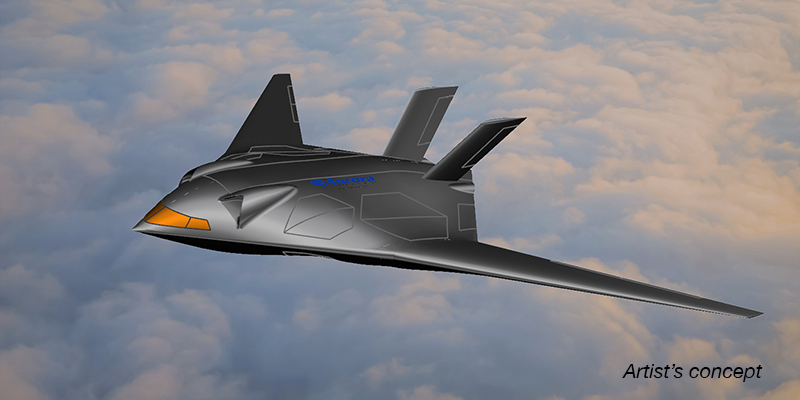
Aurora Flight Sciences, a Boeing Company, has been selected for phase 1 of the Defense Advanced Research Projects Agency (DARPA) SPeed and Runway INdependent Technologies (SPRINT) X-Plane Demonstration Project.
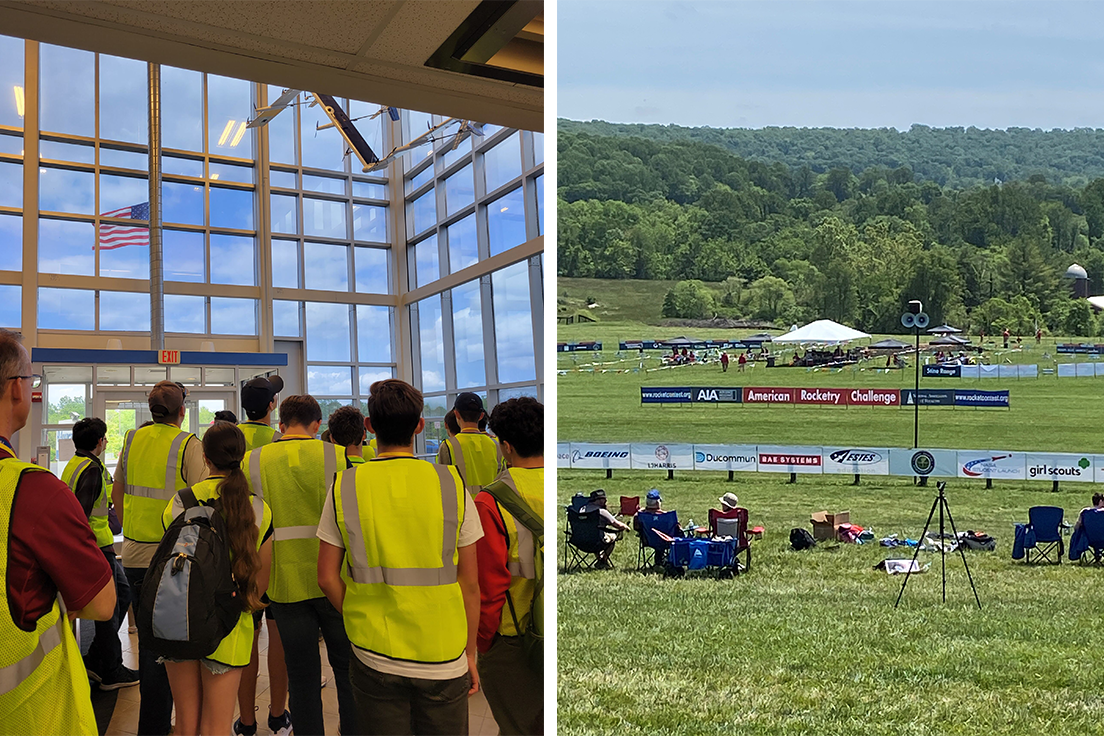
At Aurora, we understand that fostering young minds and nurturing their interest in science, technology, engineering, and mathematics (STEM) is critical to the advancement of the aerospace industry.
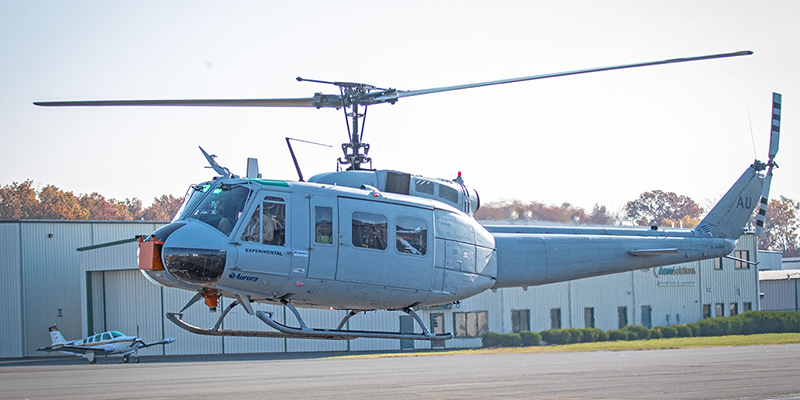
Aurora demonstrated two important parts of an effective and cost-efficient development process for autonomous behaviors and other new aircraft technologies: hardware-in-the-loop simulation and flight testing with a safety pilot.
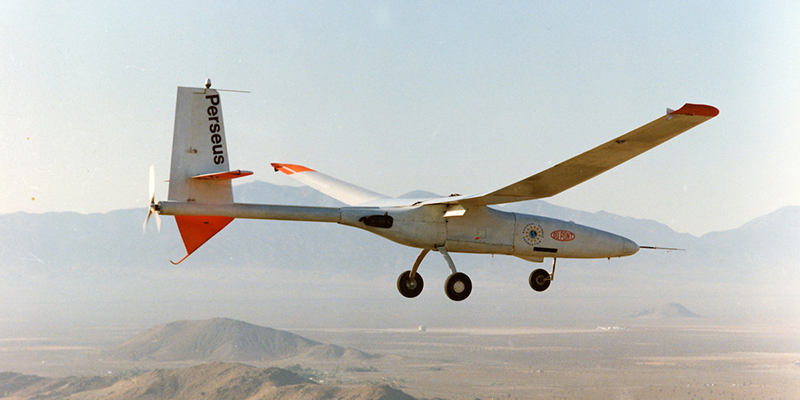
For over three decades, Aurora Flight Sciences, a Boeing Company, has been at the forefront of innovation, engineering, and manufacturing in the aerospace industry.
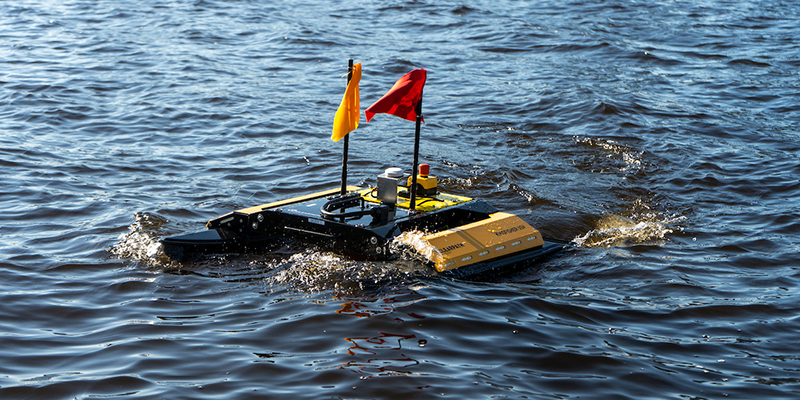
Aurora Flight Sciences, a Boeing company, is developing and testing machine learning-based introspection technologies aimed to enable physical systems, in this case ships, to adapt their control laws as they encounter uncertainties or unexpected events.
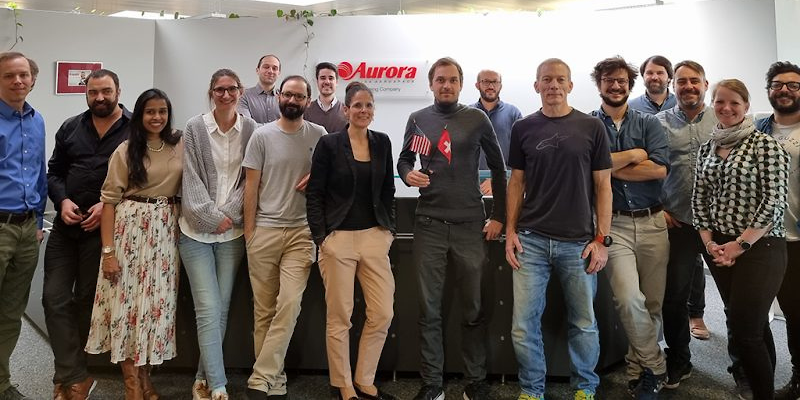
On June 26, 2013, Aurora Flight Sciences, a Boeing Company, established a global presence with the opening of the Aurora Swiss Aerospace office in Luzern, Switzerland. This year, the Aurora Swiss team is celebrating its 10th anniversary of groundbreaking work in advanced aircraft development and enabling technologies.
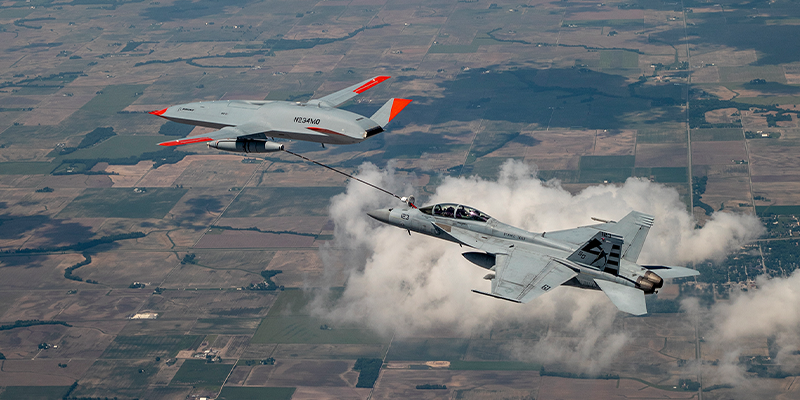
Boeing’s KC-46A Pegasus and MQ-25 Stingray technology continues to evolve in Mississippi’s nexus of innovation
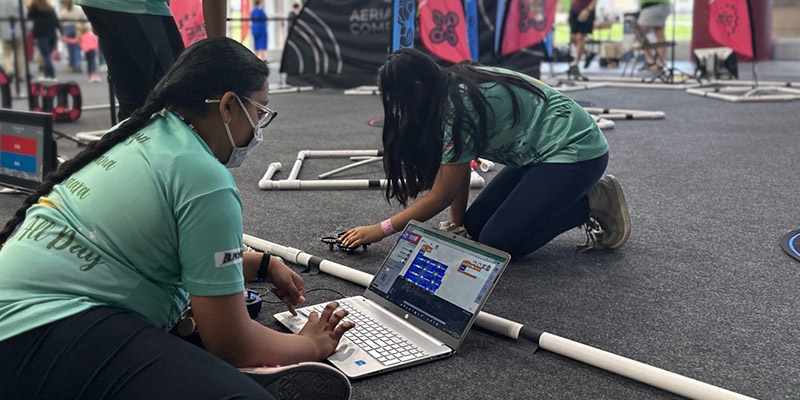
More than 300 high school students witnessed their work take flight at the 2023 Robotics Education & Competition (REC) Foundation Aerial Drone Dragonfly Championship at Fairmont State University in Fairmont, West Virginia.
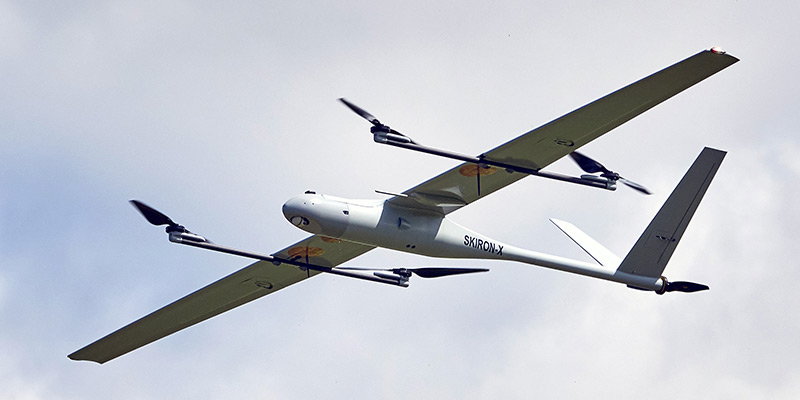
Aurora Flight Sciences, a Boeing Company, recently released the second iteration of its SKIRON Expeditionary small UAS (SKIRON-X).
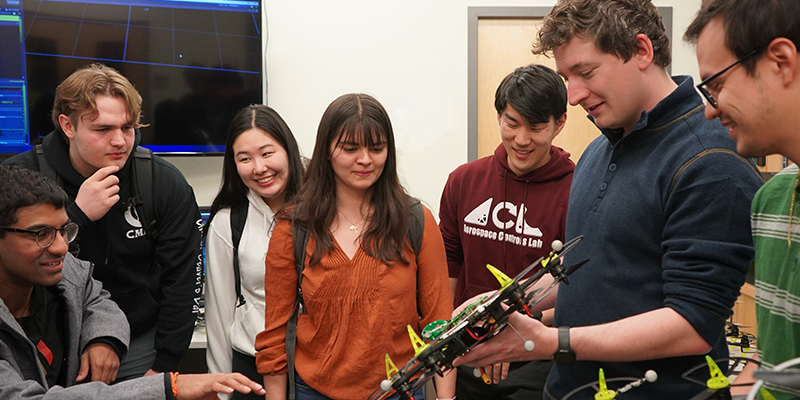
The engineering profession is constantly evolving as new technologies are developed and new challenges arise. Aurora Flight Sciences, a Boeing Company, is working with the Massachusetts Institute of Technology (MIT) to help university students gain valuable insights into the world of engineering and develop skills that will help them succeed in their future careers.
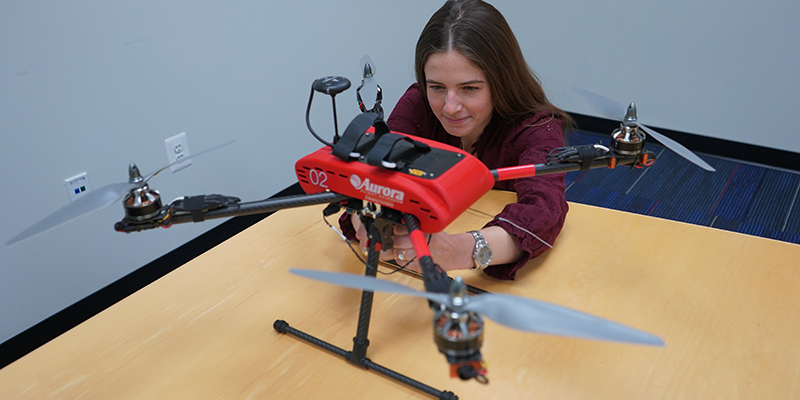
At Aurora, fostering a culture of innovation and creativity is a priority. One way we support employees’ ambitions to think outside of the box and apply knowledge to proof-of-concept ideas is through a competitive internal proposal process that allows engineers to pitch ideas to receive short-term funding.
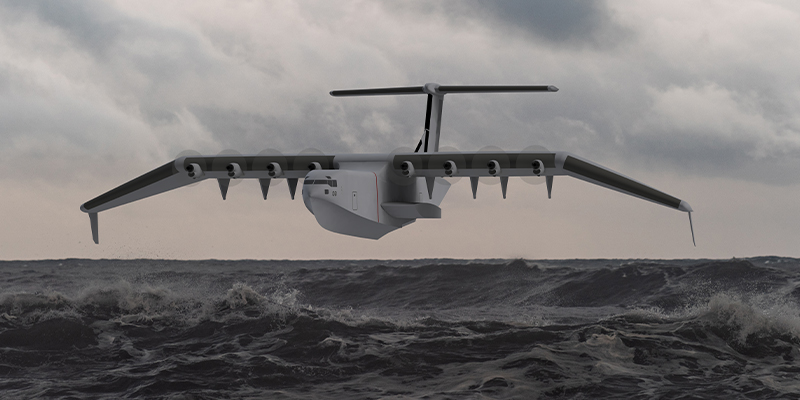
X-plane program brings together expertise in aeronautics and naval engineering to propose a modern-day Liberty ship that flies.
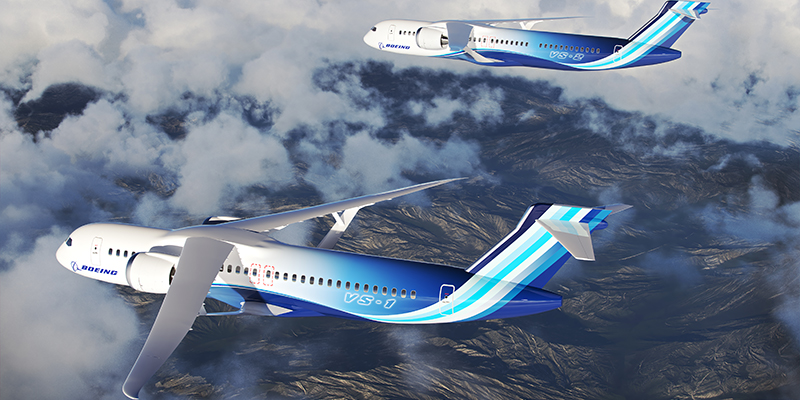
NASA has selected Boeing and its industry team to lead the development and flight testing of a full-scale Transonic Truss-Braced Wing (TTBW) demonstrator airplane.
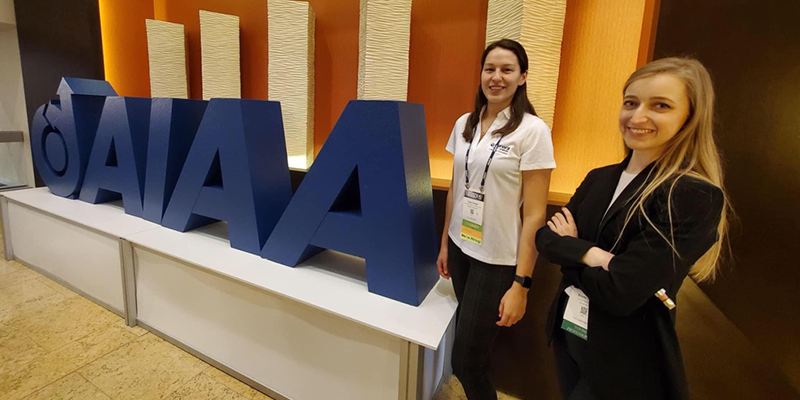
Aurora Flight Sciences, as part of Boeing, has been a long-time supporter of the AIAA Diversity Scholars Program. The American Institute of Aeronautics and Astronautics (AIAA) program provides unique opportunities for underrepresented university students with an interest in aerospace.
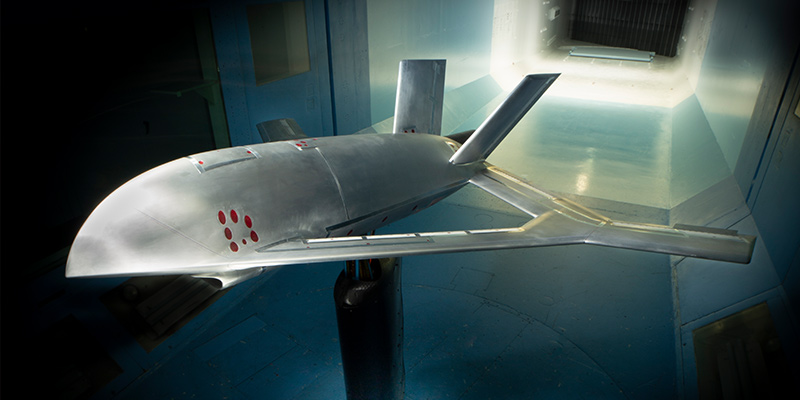
Aurora Flight Sciences, a Boeing Company, was recently awarded phases 2 and 3 of the Defense Advanced Research Projects Agency (DARPA)’s Control of Revolutionary Aircraft with Novel Effectors (CRANE) program.
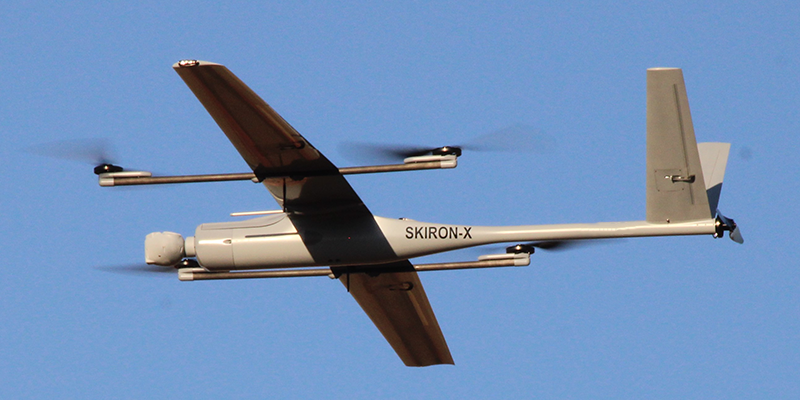
SKIRON-X is a Group 2 sUAS that combines simple operation with flight endurance and payload flexibility.
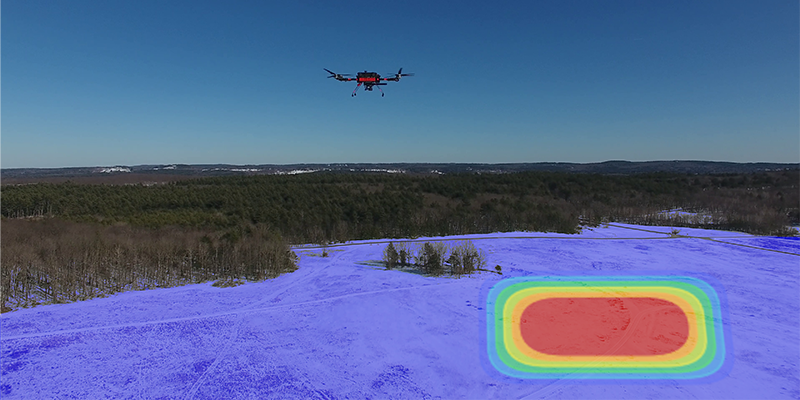
Aurora Flight Sciences, a Boeing Company, has received a contract award for the Defense Advanced Research Projects Agency’s (DARPA) Enabling Confidence (EC) program.

In October 2022, Boeing subsidiary Aurora Flight Sciences opened the new Boeing Aerospace & Autonomy Center located at the gateway to the Massachusetts Institute of Technology campus.
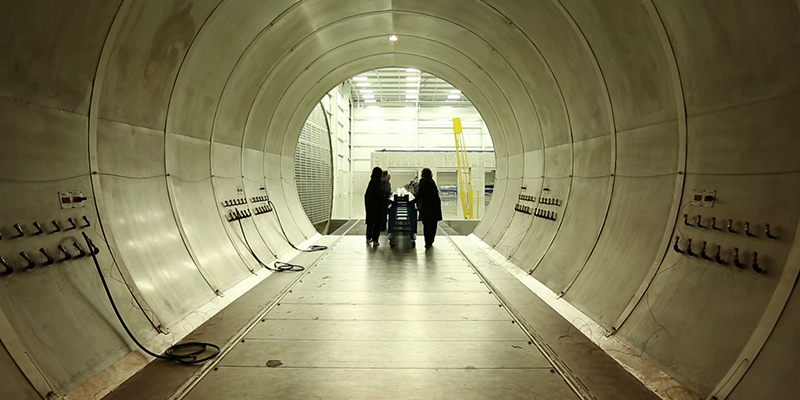
Aurora Flight Sciences, a Boeing Company, is designing and building two next generation motherships to support the air launch of Virgin Galactic’s spaceship.
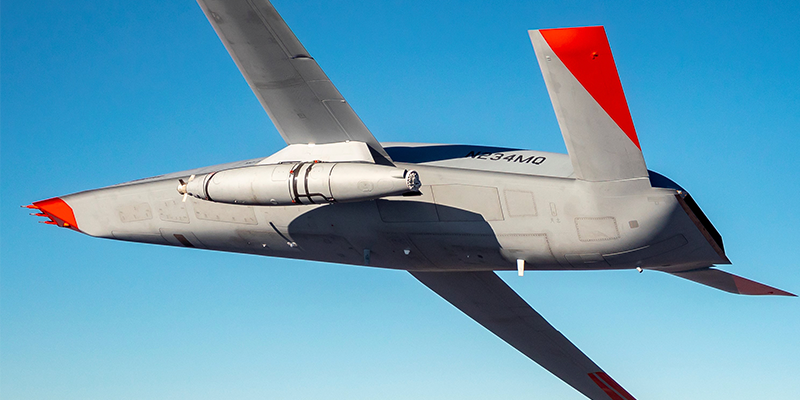
An onboard autonomy framework and a prototype platform abstraction layer developed by Aurora Flight Sciences were part of a Boeing demonstration of a new open autonomy architecture for manned-unmanned teaming with MQ-25.
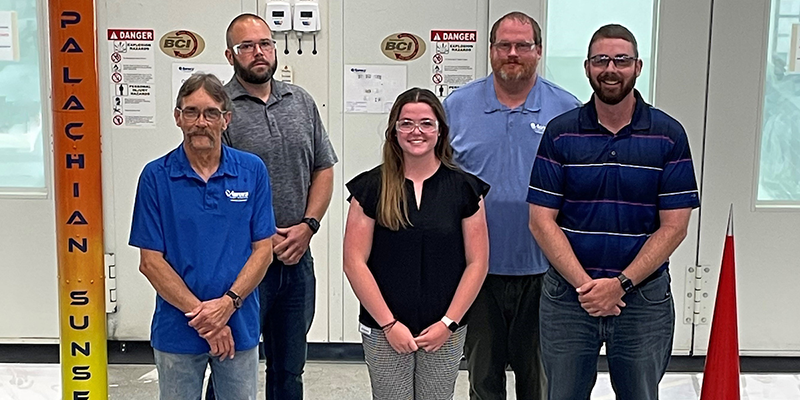
At Aurora Flight Sciences, a Boeing Company, employees across the country are committed to giving back to local communities and fostering the next generation of aerospace professionals.

Aurora Flight Sciences, a Boeing Company, is working under a subaward from the University of California San Diego (UC San Diego) to support a NASA University Leadership Initiative (ULI) project centered around advancing vehicle design for urban air mobility (UAM).
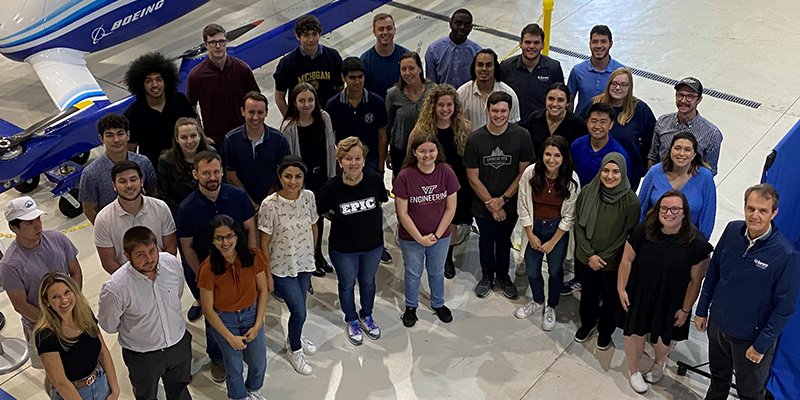
Each summer, Aurora Flight Sciences, a Boeing company, offers internship opportunities for students looking to gain real-world experience in the aerospace industry. Aurora interns join project teams working to solve challenging problems and create the next generation of aircraft.

With 32 years of experience at Aurora, Chief Engineer Clint Church understands both the company’s past and it’s future. Aerospace Testing International sat down with Clint to talk about what makes Aurora unique, what it’s like to work here, and how Aurora has built a track-record of taking novel aircraft from idea to flight.
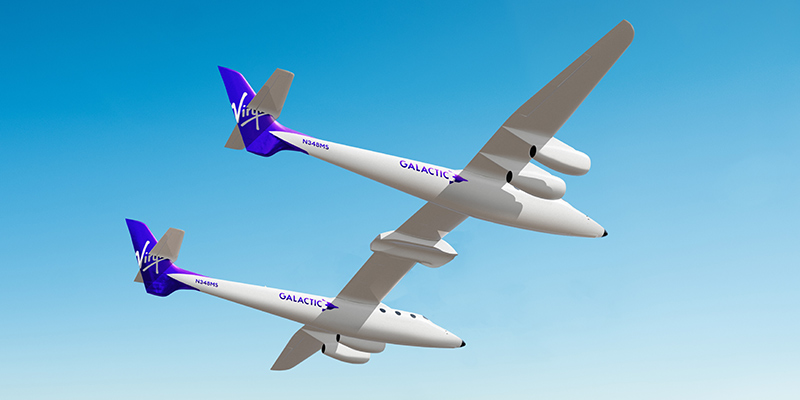
Virgin Galactic partners with Aurora to produce next generation air launch carrier vehicles.
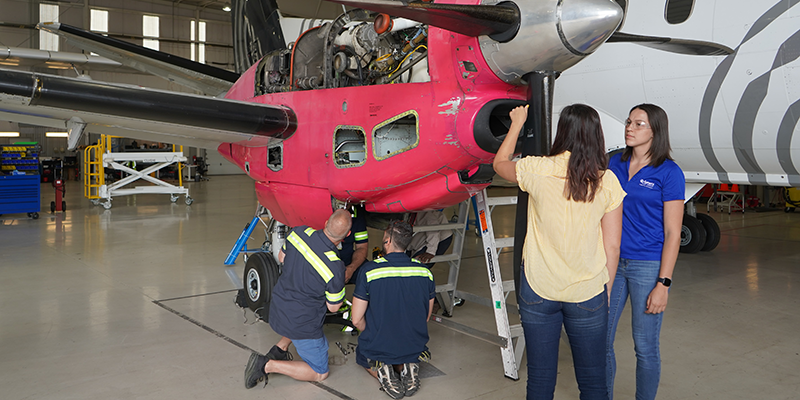
Meet four women working behind the scenes on NASA’s Electrified Powertrain Flight Demonstration (EPFD) program and learn about how they are advancing the future of flight.
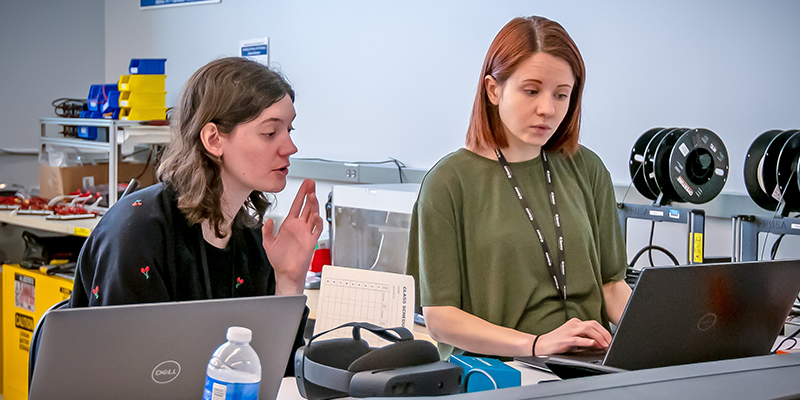
Aurora Flight Sciences, a Boeing Company, has been on the forefront of aviation and autonomy for over three decades. Today, teams of engineers are developing cutting-edge tech in aviation by employing artificial intelligence (AI) for research and development of autonomous flight.
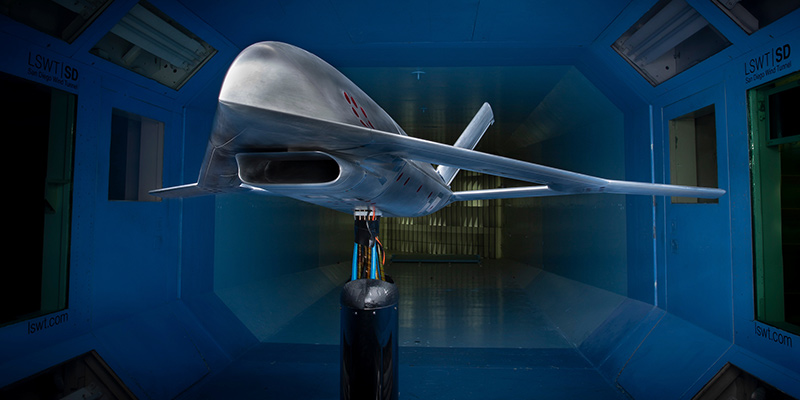
Aurora Flight Sciences, a Boeing Company, recently conducted wind tunnel testing of its X-plane candidate for the Defense Advanced Research Projects Agency (DARPA)’s Control of Revolutionary Aircraft with Novel Effectors (CRANE) program.
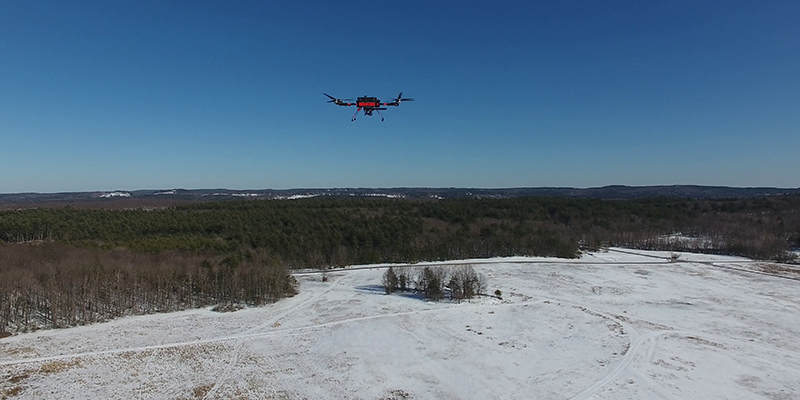
Aurora Flight Sciences, a Boeing Company, recently completed a project to advance the capabilities of its Modular Intercept Drone Avionics Set (MIDAS) counter-unmanned aircraft system (C-UAS).

In an interview with Commercial UAV News, Sonia Berube-Ray discusses what drew her to her new role as Managing Director of Aurora Swiss Aerospace and what she sees for the future of this innovative business.

Aurora Fight Sciences, a Boeing Company, recently opened a new lab space in the Charlestown neighborhood of Boston. The lab occupies the third floor of the historic Schrafft's Center and houses advanced capabilities in autonomy, electronics, rapid prototyping, and testing.
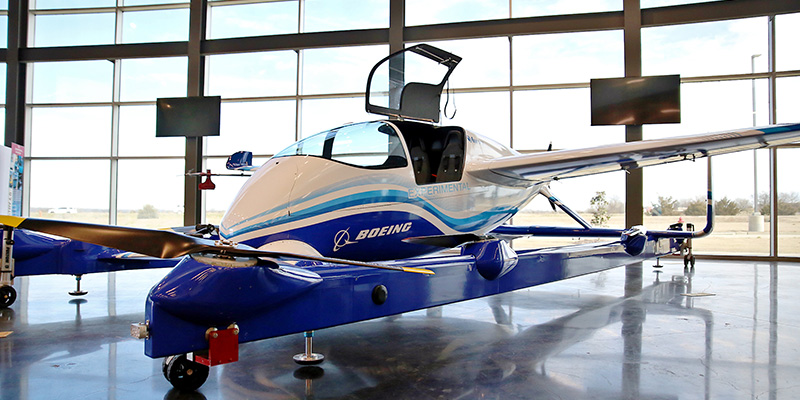
Aurora Flight Sciences’ passenger air vehicle (PAV) prototype is on display in The Communiversity at East Mississippi Community College (EMCC). This new display showcases future air mobility and continues a long history of cooperation between Aurora and EMCC.
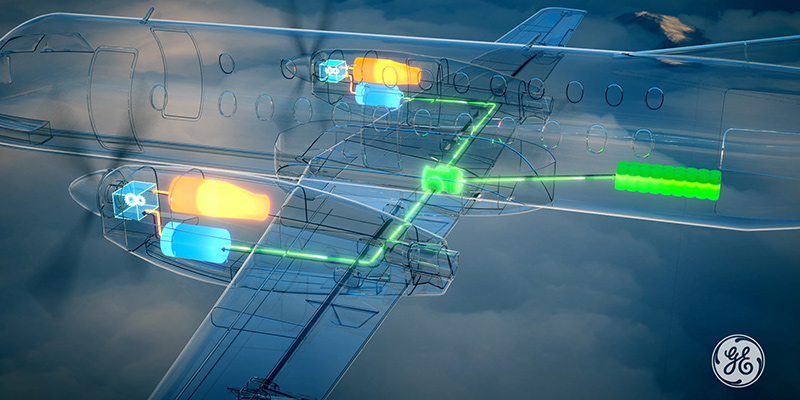
Aurora Flight Sciences, as part of a Boeing team, will provide GE Aviation with airplane modification, system integration and flight-testing services as part of NASA’s Electrified Powertrain Flight Demonstration project.
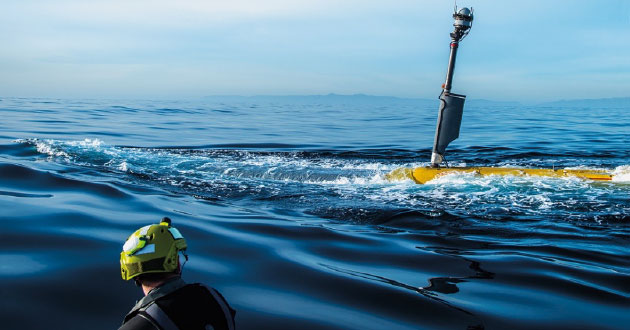
As part of a Boeing team, Aurora is developing and deploying open architecture software, while demonstrating advanced payloads, for Phase 2 of the Defense Advanced Research Projects Agency (DARPA)'s Hunter ...
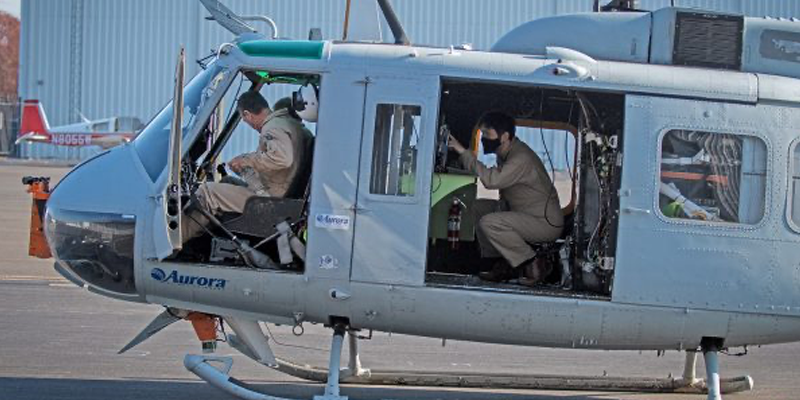
Aurora works to advance autonomous flight by developing and testing a range of critical technologies. Two well-known challenges along the path to unpiloted flight are 'detect and avoid' and navigation in GPS-denied environments.
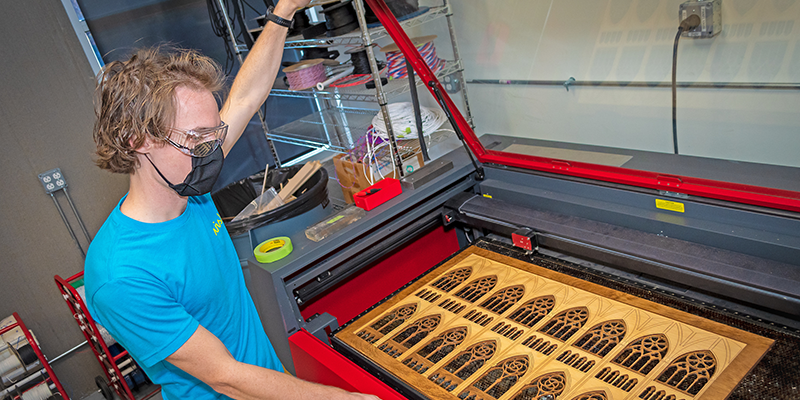
Aurora's makerspace, located at our Manassas, VA building complex, is where team members can go to work on prototype projects, as well as to pursue personal projects in their free time. ...

Program aims to develop lifelong learning agents that share knowledge while operating under constraints Under a new Defense Advanced Research Projects Agency (DARPA) contract for the Shared-Experience Lifelong Learning ...
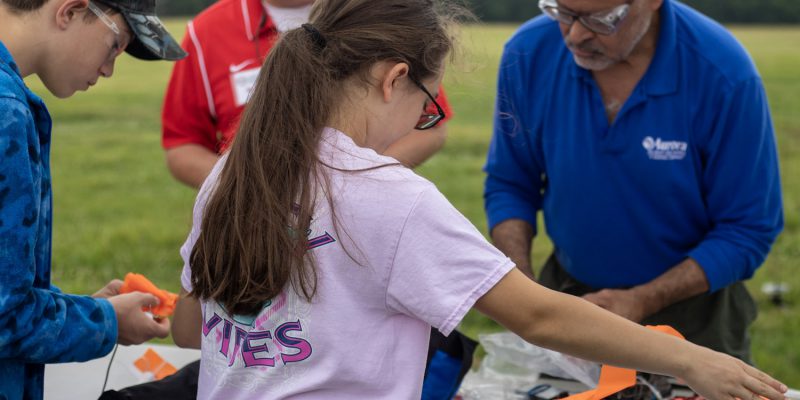
Employees enjoyed welcoming students back for summer 2021 tours and rocket building. Aurora supported three rocket camps and two tours for STEM students in summer 2021, primarily out of ...
Aurora Flight Sciences, a Boeing Company, was selected to continue to Phase 1 of DARPA’s Control of Revolutionary Aircraft with Novel Effectors (CRANE) program.
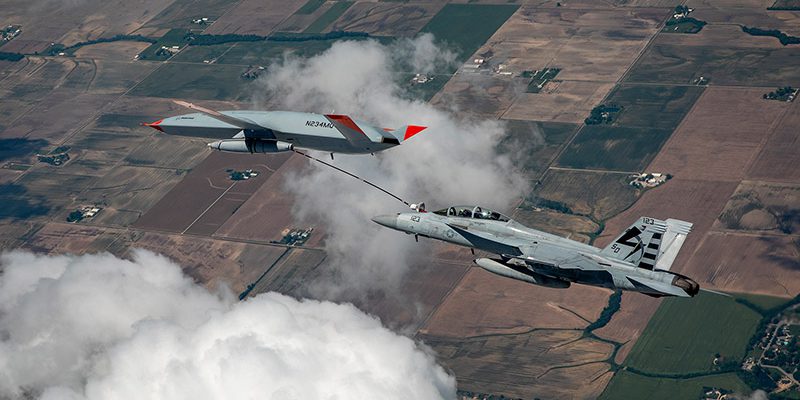
Aurora, as part of a Boeing-led team, showcased its advanced Manned-Unmanned Teaming simulation for MQ-25 during an event sponsored by the Office of Naval Research.
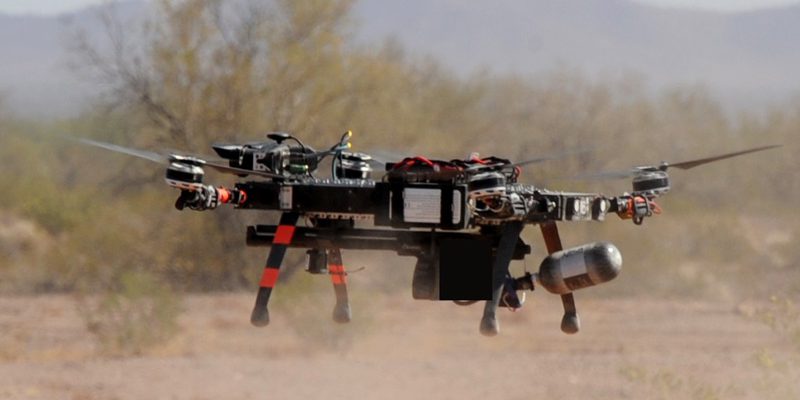
Technology developers came together to show their latest in counter drone technology during a demonstration at Yuma Proving Ground, Ariz.

Under a new Defense Advanced Research Projects Agency (DARPA) contract, Aurora Flight Sciences, a Boeing Company, seeks to accelerate system simulation technology. Work will focus on improving computer-generated design models by integrating artificial intelligence and machine learning to develop future military equipment.
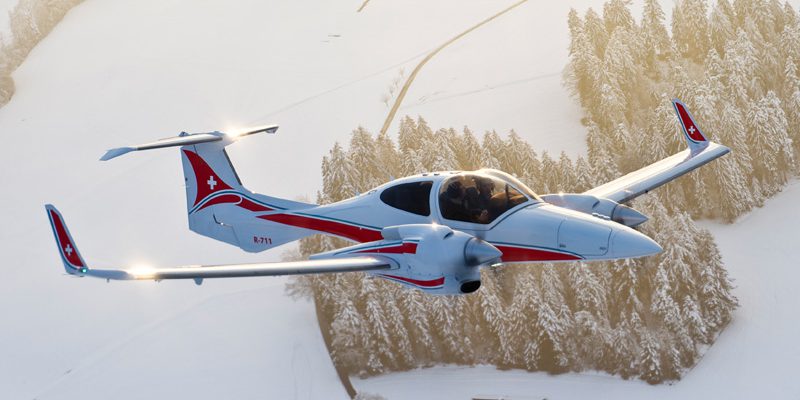
Aurora Flight Sciences, a Boeing Company, today announced the international sale of its Centaur OPA system to armasuisse, the procurement agency of the Swiss military. The purchase follows operational and developmental testing by armasuisse through a previous lease agreement.
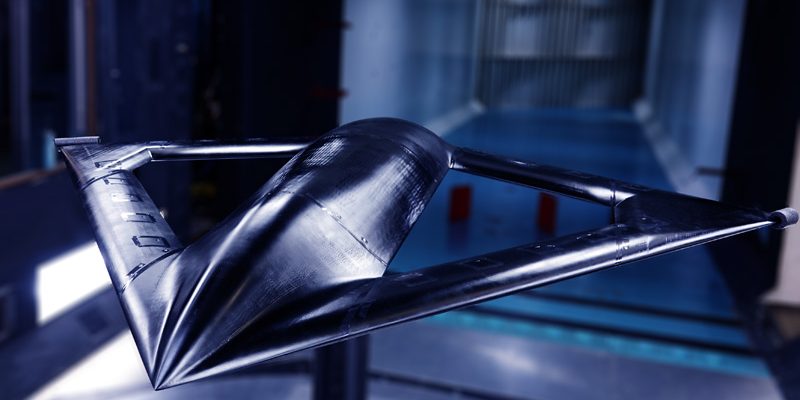
Aurora Flight Sciences, a Boeing Company, aims to develop an experimental plane under a new Defense Advanced Research Projects Agency (DARPA) contract.

Porsche and Boeing signed a Memorandum of Understanding to explore the premium urban air mobility market and the extension of urban traffic into airspace.

Marshall University’s Robert C. Byrd Institute and Aurora Flight Sciences of WV, an independent subsidiary of Boeing, have entered into an agreement in which Aurora will use a portion of RCBI’s Bridgeport facility located at 2400 East Benedum Industrial Drive.
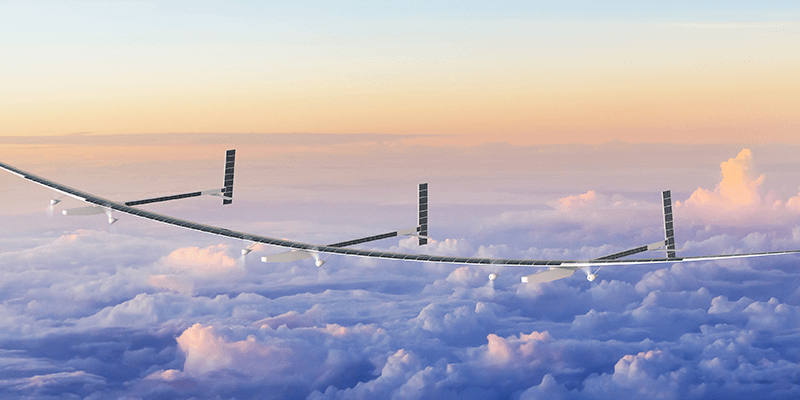
Aurora continues its nearly 30-year legacy of advancing autonomous systems with Odysseus, the world’s most capable solar-powered autonomous aircraft.
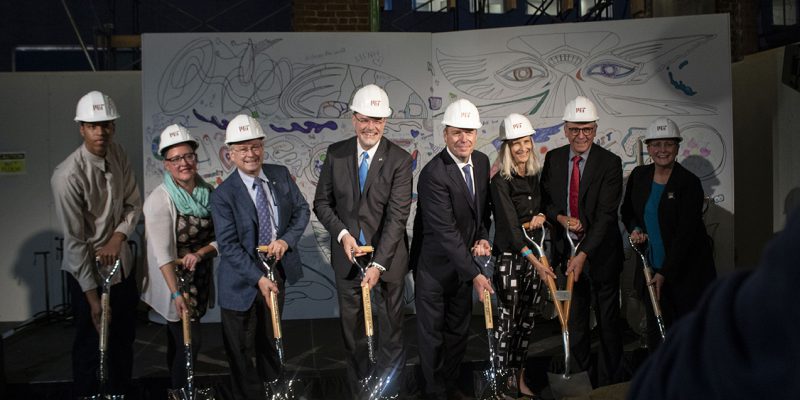
100,000 square foot research facility will accelerate future mobility systems Cambridge, MA, October 9, 2018 – Today, Boeing Chief Technology Officer Greg Hyslop and Aurora Flight Sciences President, Chief Executive ...
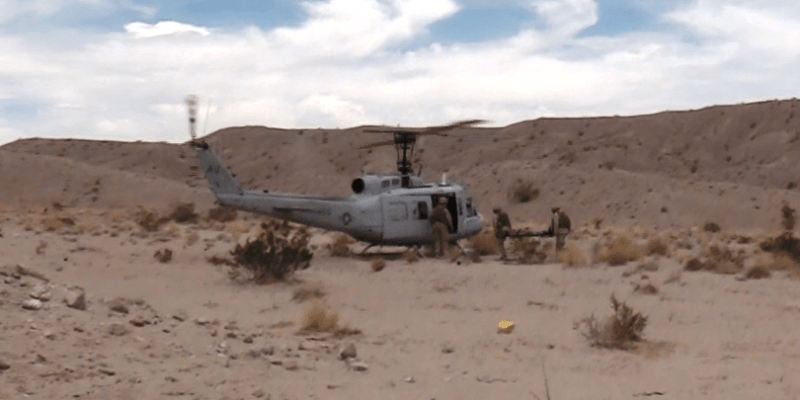
Aurora’s AACUS Program Honored with Howard Hughes Award Twentynine Palms, California, May 17, 2018 – Aurora’s Autonomous Aerial Cargo Utility System (AACUS) achieved a major milestone last week when it ...
Aurora to Expand Research into eVTOL Capabilities Manassas, Virginia, April 24, 2018 – Aurora Flight Sciences today announced that it has reached an agreement with the Defense Advanced Research Projects ...
Every year, new technologies emerge that could change how individuals, companies and even military commands operate. For the Navy and Marine Corps, one of those technologies is the Autonomous Aerial Cargo/Utility System (AACUS)—an Office of Naval Research-led program that can make any rotary-wing aircraft capable of fully autonomous flight, and landing on an unprepared field.
wo Aurora Flight Sciences executives were inducted into the American Institute of Aeronautics and Astronautics’ (AIAA) 2018 Class of Associate Fellows on January 8. Chief Innovation Officer John Tylko and Chief Operating Officer Matthew Hutchison were among the 134 individuals selected by committee to join the 2018 class.
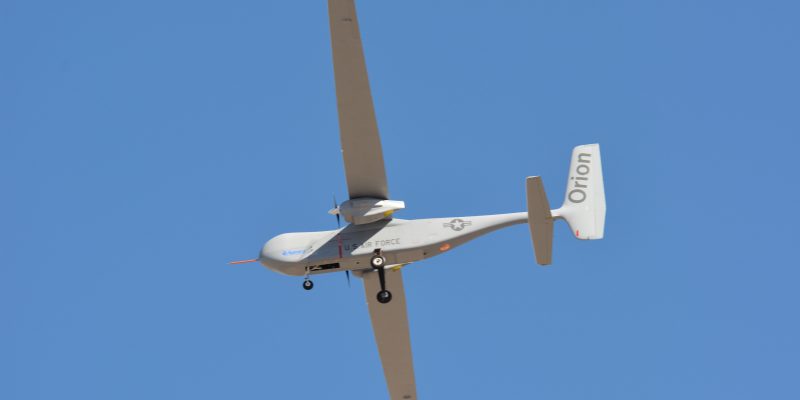
The U.S. Air Force has awarded a new $48 million contract to Aurora Flight Sciences for the continued development of the Orion Unmanned Aircraft System (UAS).
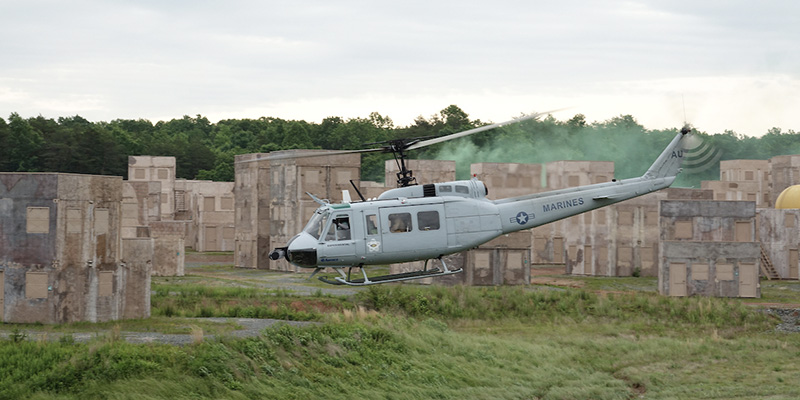
Aurora Flight Sciences conducted a successful demonstration of the company’s autonomous helicopter system developed under the Office of Naval Research’s (ONR) Autonomous Aerial Cargo Utility System (AACUS) program.
Boeing [NYSE: BA] completed the acquisition of Aurora Flight Sciences Corporation, a world-class innovator, developer and manufacturer of advanced aerospace platforms and autonomous systems.
Ready to Learn More?
Contact us for a customized solution.